


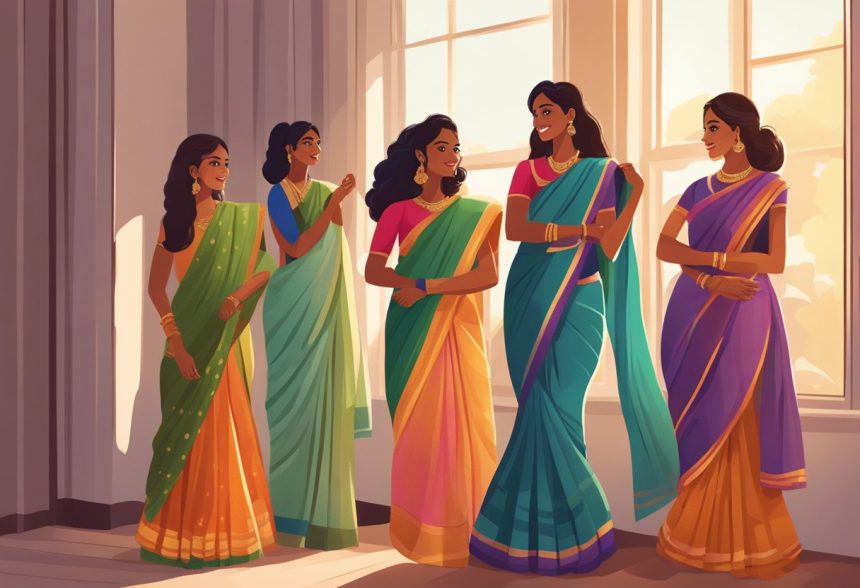
Choosing the perfect saree is not only about fabric, design, or occasion. The color of the saree plays a very important role in enhancing your overall look. When you select a saree color that matches your skin tone, your face looks brighter, your features stand out, and your confidence automatically increases.
In this blog, we will explain in simple and easy language how to choose the right saree color according to your skin tone. This guide will help you shop smarter and look beautiful in every saree you wear.
Why Saree Color Matters for Your Skin Tone
Saree colors can either enhance your natural beauty or make you look dull if not chosen correctly. The right color can:
- Make your skin glow
- Highlight your facial features
- Balance your overall appearance
- Help you stand out at weddings, festivals, and parties
Understanding your skin tone is the first step to finding the perfect saree color.

How to Identify Your Skin Tone
Before choosing a saree color, you need to know your skin tone. Indian skin tones are generally divided into three main categories:
- Fair Skin Tone
- Wheatish or Medium Skin Tone
- Dusky or Dark Skin Tone
You can check your skin tone by looking at your natural skin color in daylight without makeup.
Best Saree Colors for Fair Skin Tone
Women with fair skin tones are lucky because most colors suit them well. However, choosing the right shades can make your look even more stunning.
Ideal Saree Colors for Fair Skin
- Pastel shades like baby pink, peach, mint green, and lavender
- Bright colors like royal blue, emerald green, red, and magenta
- Soft shades like sky blue, ivory, beige, and blush pink
Colors to Avoid
- Very pale shades that match your skin color
- Nude or off-white shades without contrast
Styling Tip
Pair light-colored sarees with a contrasting blouse to add definition to your look.
Best Saree Colors for Wheatish Skin Tone
Wheatish skin tone is the most common among Indian women. This skin tone looks beautiful in both light and dark colors.
Ideal Saree Colors for Wheatish Skin
- Warm colors like mustard yellow, olive green, and rust
- Jewel tones like wine, maroon, navy blue, and teal
- Earthy shades like brown, copper, and terracotta
Colors to Avoid
- Extremely bright neon shades
- Very dull or washed-out colors
Styling Tip
Choose sarees with gold, zari, or embroidery work to enhance your natural warmth.
Best Saree Colors for Dusky Skin Tone
Dusky skin tone looks rich and elegant when paired with bold and deep colors. The key is to create contrast.
Ideal Saree Colors for Dusky Skin
- Deep shades like royal blue, purple, emerald green, and maroon
- Bright colors like fuchsia, orange, red, and yellow
- Metallic shades like gold, bronze, and copper
Colors to Avoid
- Very light pastel shades
- Beige or dull grey tones
Styling Tip
Go for sarees with shiny borders, heavy work, or bright blouses to make your look pop.
Choosing Saree Colors for Different Occasions
Apart from skin tone, the occasion also matters when choosing a saree color.
Saree Colors for Weddings
- Red, maroon, gold, royal blue, and green
- Heavy silk sarees like Banarasi and Kanjivaram
Saree Colors for Festivals
- Yellow, orange, pink, green, and purple
- Bright and festive shades with traditional prints
Saree Colors for Parties
- Wine, black, navy blue, metallic shades
- Designer sarees with modern cuts and embellishments
Saree Colors for Daily Wear
- Light cotton sarees in pastel or earthy tones
- Simple prints and soft colors
How Fabric Affects Saree Color Choice
The fabric of the saree also changes how a color looks on your skin.
- Silk Sarees: Rich colors like red, green, and gold look best
- Cotton Sarees: Soft and light shades work well
- Chiffon & Georgette Sarees: Bright and flowy colors look elegant
- Net Sarees: Dark and metallic shades give a party-ready look
Always consider fabric along with color for the best results.
Blouse Color Tips According to Skin Tone
A well-matched blouse can enhance your saree look.
- Choose contrast blouses for light sarees
- Try dark blouses with pastel sarees
- Use embellished or printed blouses to add style
- Avoid matching blouse and saree color exactly
Common Mistakes to Avoid While Choosing Saree Colors
- Ignoring your skin tone
- Choosing colors only because they are trending
- Not considering the occasion
- Wearing dull colors without contrast
- Skipping trial in natural light
Avoid these mistakes to always look your best.
Final Thoughts
Choosing the right saree color for your skin tone is simple when you understand what works for you. The perfect color can make your skin glow, boost your confidence, and help you create a stunning ethnic look.
Whether you prefer traditional silk sarees or modern designer sarees, always keep your skin tone, occasion, and fabric in mind. With the right color choice, every saree can become your favorite.
FAQs
Q1. How do I Know Which Saree Color Suits My Skin Tone?
You can identify your skin tone as fair, wheatish, or dusky by checking your natural skin color in daylight. Once you know your skin tone, choose saree colors that create contrast and enhance your complexion.
Q2. Which Saree Colors are Best for fair Skin Tone?
Fair skin tone looks great in pastel shades, bright colors like red and royal blue, and soft shades like peach, sky blue, and blush pink.
Q3. What Saree Colors Suit Wheatish Skin Tone the Most?
Wheatish skin tone suits warm shades like mustard, maroon, olive green, teal, and earthy colors such as rust and brown.
Q4. Which Saree Colors Look Best on Dusky Skin Tone?
Dusky skin tone looks beautiful in deep and bold colors like emerald green, royal blue, purple, maroon, red, and metallic shades like gold and bronze.
Q5. Can I Wear Black Saree for Any Skin Tone?
Yes, black sarees suit almost all skin tones. Pair them with a contrasting or embellished blouse to enhance the overall look.
Q6. Do Pastel Sarees Suit All Skin Tones?
Pastel sarees look best on fair and wheatish skin tones. Dusky skin tones should style pastels with a dark or bright blouse for better contrast.
Q7. Does Saree Fabric Affect How the Color Looks on Skin Tone?
Yes, fabric plays an important role. Silk enhances rich colors, cotton looks best in soft shades, and chiffon or georgette makes bright colors look elegant.
Q8. How Important is Blouse Color when Choosing a Saree?
Blouse color is very important. A contrasting blouse can make your saree look more stylish and balanced, especially if the saree color is light or simple.
Q9. Should I Choose Saree Color Based on Occasion or Skin Tone First?
Both are important. First, select colors that suit your skin tone, then choose shades that match the occasion like weddings, festivals, or daily wear.
Q10. What Saree Colors Should be Avoided for Dull Skin Tone?
Very pale, nude, and dull shades should be avoided as they can make the skin look flat. Always go for colors that add brightness and contrast.
