


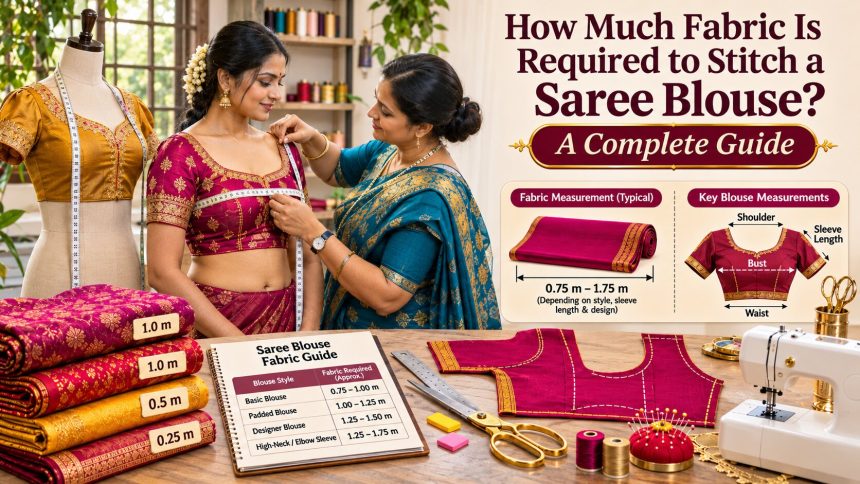
A beautifully stitched saree blouse can completely transform your ethnic look. Whether you are planning to wear a traditional silk saree, a lightweight georgette saree or a heavily embroidered bridal saree, choosing the correct amount of blouse fabric is essential for achieving the perfect fit and design.
One of the most common questions women ask before visiting a tailor is, “How much fabric is required to stitch a saree blouse?”
Generally, a standard saree blouse requires 0.80 to 1 metre of fabric, while full-sleeve, bridal and elaborate designer blouses may require 1.25 to 2 metres or more. The exact quantity depends on your bust size, sleeve length, blouse pattern, fabric width and decorative elements.
This complete guide will help you choose the right fabric quantity for different saree blouse designs without unnecessary wastage.
1. How Much Fabric Is Required for Different Blouse Designs?
Every blouse design has different fabric requirements. A simple sleeveless blouse requires considerably less material than a full-sleeve or heavily embroidered bridal blouse.
Blouse Fabric Requirement Chart
| Blouse Design | Approximate Fabric Required |
|---|---|
| Sleeveless blouse | 0.60–0.80 m |
| Cap-sleeve blouse | 0.75–1 m |
| Short-sleeve blouse | 0.80–1 m |
| Elbow-sleeve blouse | 1–1.25 m |
| Three-quarter-sleeve blouse | 1.15–1.50 m |
| Full-sleeve blouse | 1.25–1.50 m |
| Puff-sleeve blouse | 1–1.50 m |
| Halter-neck blouse | 0.60–1 m |
| High-neck blouse | 1–1.25 m |
| Corset blouse | 1–1.50 m |
| Peplum blouse | 1.50–2 m |
| Designer bridal blouse | 1.50–2 m or more |
These are approximate purchasing estimates for standard-sized blouses using fabric around 44 inches wide. Larger sizes, complex patterns and additional design details may require more material.
2. Blouse Fabric Required According to Bust Size
Your bust measurement plays an important role in determining how much fabric is required for blouse stitching. Larger blouse sizes generally require additional material for front panels, back panels, armholes, sleeves and alteration margins.
Blouse Fabric Measurement Chart by Size
| Bust Size (Inches) | Sleeveless | Half Sleeve | Elbow Sleeve | Full Sleeve |
|---|---|---|---|---|
| 30–32 | 0.60 m | 0.80 m | 1 m | 1.25 m |
| 34–36 | 0.75 m | 0.80 m | 1 m | 1.30 m |
| 38–40 | 0.80 m | 1 m | 1.20 m | 1.50 m |
| 42–44 | 1 m | 1 m | 1.25 m | 1.50 m |
| 46–48 | 1 m | 1.25 m | 1.50 m | 1.75 m |
| 50–52 | 1.25 m | 1.50 m | 1.75 m | 2 m |
This chart provides conservative planning estimates, informed by common tailoring guidelines. Always confirm your exact fabric requirement with your tailor before purchasing expensive material.
3. How Fabric Width Affects Blouse Fabric Requirements
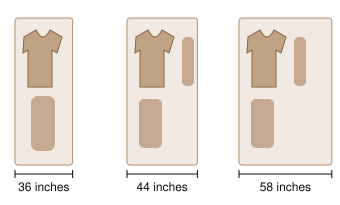
Many people focus only on fabric length and forget to check its width. However, fabric width is equally important because it determines how efficiently the tailor can arrange and cut the blouse pattern.
| Fabric Width | Typical Requirement for a Simple Blouse |
|---|---|
| 36 inches | 1–1.25 metres |
| 44 inches | 0.80–1 metre |
| 54 inches | 0.75–1 metre |
| 58–60 inches | 0.60–1 metre |
Narrow fabrics may require additional length because the front, back and sleeve pieces cannot always be placed side by side. Wider fabrics generally allow better utilisation of the material.
For fabrics that are 36 inches wide or narrower, consider purchasing an additional 0.20 to 0.30 metre, depending on the design.
4. Fabric Required for Different Types of Saree Blouse Materials
The type of fabric also influences the cutting, stitching and lining requirements of a blouse.
Silk Blouse Fabric
Fabric Required: 0.80–1.50 metres
Silk is ideal for traditional sarees, weddings and festive occasions. Purchase extra material when working with woven borders or directional designs.
Cotton Blouse Fabric
Fabric Required: 0.80–1.25 metres
Cotton is breathable, comfortable and suitable for everyday wear. Prewash washable cotton before cutting to reduce unexpected shrinkage.
Fabric Required: 1–1.50 metres
Rich woven patterns make these fabrics perfect for festive blouses. Additional material may be needed to align motifs symmetrically.
Velvet Blouse Fabric
Fabric Required: 1–1.50 metres
Velvet has a directional pile, so pattern pieces should be cut in a consistent direction to maintain a uniform appearance.
Net Blouse Fabric
Fabric Required: 0.80–1.50 metres
Net fabric creates beautiful sheer sleeves and necklines. It usually requires separate lining for the main body.
Embroidered Blouse Fabric
Fabric Required: 1–2 metres
Embroidered, mirror-work and zari-work materials may require extra fabric to position decorative motifs correctly.
5. How Much Extra Fabric Is Required for Designer Blouses?
Designer blouses often feature unique necklines, statement sleeves, decorative panels and intricate embellishments. These elements can increase the amount of material required.
| Designer Element | Suggested Extra Fabric |
|---|---|
| Puff sleeves | 0.25–0.50 m |
| Balloon sleeves | 0.30–0.50 m |
| Ruffles and frills | 0.25–0.50 m |
| Decorative collar | 0.15–0.25 m |
| Pleated sleeves | 0.25–0.40 m |
| Peplum detailing | 0.50–0.75 m |
| Pattern or motif matching | 0.20–0.50 m |
| Fabric-covered ties and buttons | 0.10–0.20 m |
These allowances are approximate and should be added only when the base fabric estimate does not already include the relevant design feature.
For bridal blouses with heavy embroidery, mirror work, zardosi or stone embellishments, it is advisable to finalise the cutting layout before purchasing the fabric.
6. How Much Lining Fabric Is Required for a Saree Blouse?
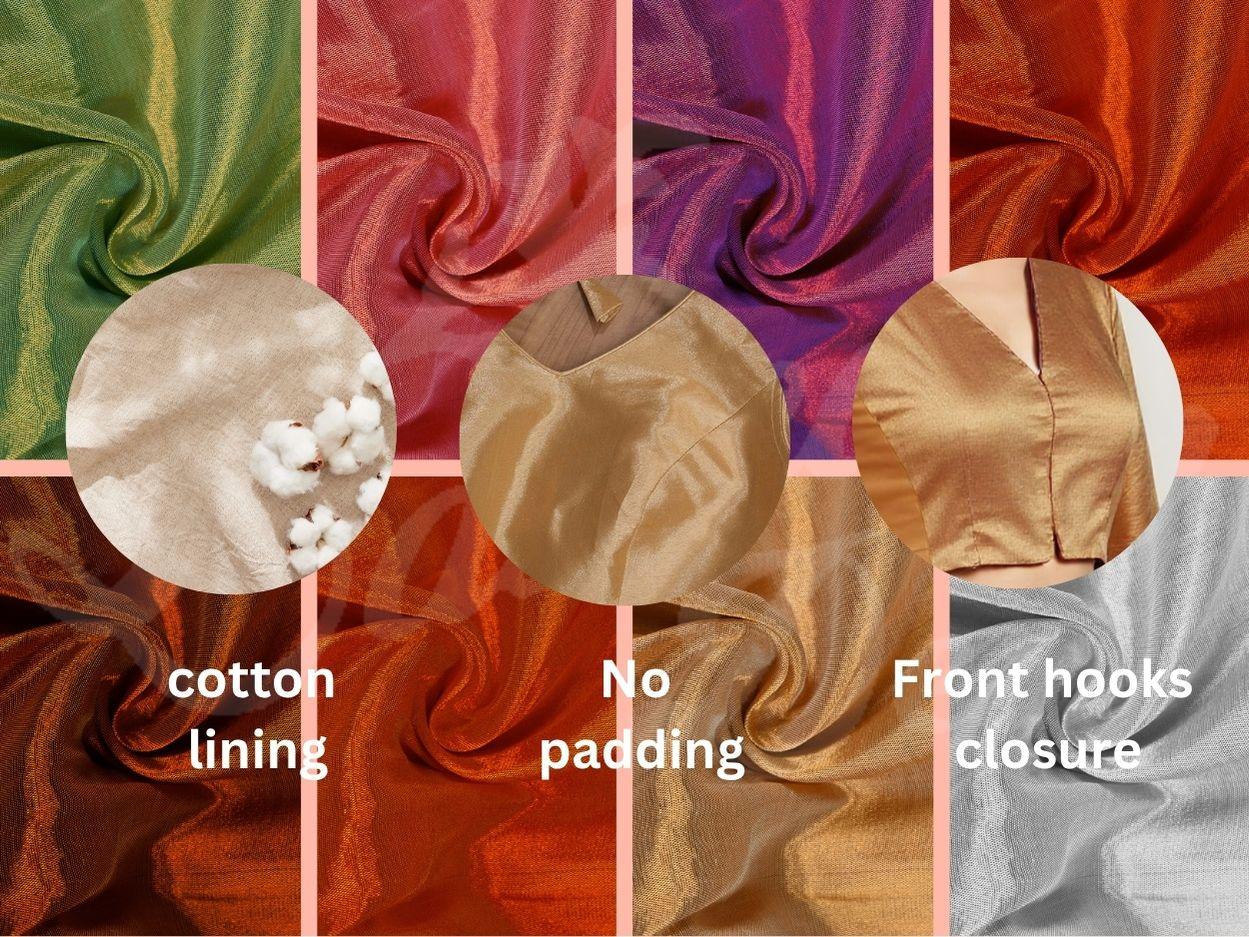
Lining is an important part of blouse construction. It improves comfort, provides structure and prevents decorative stitching or embroidery from directly touching the skin.
Common lining materials include cotton, santoon, soft crepe and suitable synthetic lining fabrics.
| Blouse Type | Approximate Lining Required |
|---|---|
| Sleeveless blouse | 0.60–0.80 m |
| Short-sleeve blouse | 0.80–1 m |
| Elbow-sleeve blouse | 1–1.25 m |
| Full-sleeve blouse | 1.25–1.50 m |
| Padded blouse | 0.80–1.25 m |
| Bridal blouse | 1–1.50 m |
The lining quantity should be calculated separately from the main blouse fabric. Sheer sleeve designs may require less lining because the sleeves are intentionally left transparent.
7. How to Calculate Fabric Required for a Blouse
Before purchasing blouse material, take accurate body measurements and decide on your preferred blouse design.
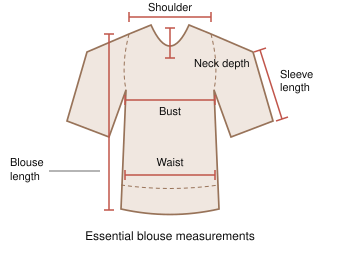
The main measurements required include bust circumference, waist circumference, shoulder width, blouse length, sleeve length, armhole circumference and front and back neck depth.
Once you have these measurements, consider the fabric width, seam allowance, alteration margin and additional material needed for decorative elements.
Blouse Fabric Calculator
Use this simple calculator to estimate how much material you should purchase.
Estimate your blouse fabric
Main fabric required1.00 m
Lining required1.00 m
Combined fabric quantity
2.00 metres
Indicative purchasing estimate, not an exact cutting calculation. Wider fabric may reduce actual consumption. Confirm with your tailor.
8. Is 0.80 Metre of Fabric Enough to Stitch a Blouse?
Yes, 0.80 metre of standard-width fabric is generally sufficient for a simple sleeveless or short-sleeve saree blouse in smaller and medium sizes.
Many traditional sarees come with an attached blouse piece measuring approximately 80 cm to 1 metre. However, this quantity may not be sufficient for larger sizes, full sleeves, elaborate puff sleeves or heavily structured designer patterns.
If your saree comes with limited blouse material, you can use contrasting fabric for sleeves or combine it with net, silk or embroidered panels to create a fashionable blouse design.
9. Common Mistakes to Avoid When Buying Blouse Fabric
Buying insufficient material can affect the final appearance and fitting of your blouse. Avoid common mistakes such as purchasing fabric without checking its width, ignoring shrinkage, forgetting lining material and not allowing enough fabric for future alterations.
Another important consideration is the placement of embroidery and printed patterns. Fabrics with large floral motifs, checks, zari borders or directional prints may require additional material to achieve a balanced appearance.
Whenever possible, show your preferred blouse design to your tailor before purchasing the material.
10. Choose Readymade Designer Blouses Instead of Stitching
If calculating fabric requirements, finding a reliable tailor and waiting for stitching sounds time-consuming, readymade designer blouses are an excellent alternative.
At Designer Blouse, you can explore a beautiful collection of readymade saree blouses suitable for weddings, festivals, parties and traditional occasions.
Discover embroidered blouses, corset blouses, jacquard blouses, silk blouses, mirror-work blouses and contemporary designer patterns without worrying about purchasing fabric separately.
Many designs also feature alteration margins, allowing you to adjust the blouse according to your measurements. Check the individual product details for available sizes and alteration options.
Conclusion
Understanding how much fabric is required to stitch a saree blouse helps you save money, minimise fabric wastage and achieve your desired design.
While 0.80 to 1 metre is sufficient for many traditional saree blouses, full-sleeve, plus-size and bridal designs may require 1.25 to 2 metres or more. Always consider your body measurements, fabric width, sleeve pattern, lining and decorative details before purchasing blouse material.
Alternatively, explore beautifully crafted readymade designer blouses at Designer Blouse to enjoy stylish ethnic fashion without the hassle of custom stitching.
Frequently Asked Questions (FAQs)
1. How Much Fabric is Required for a Normal Saree Blouse?
A standard short-sleeve saree blouse generally requires 0.80 to 1 metre of 44-inch-wide fabric.
2. Is 1 Metre of Fabric Enough for a Blouse?
Yes, 1 metre is sufficient for many sleeveless, short-sleeve and simple elbow-sleeve blouse designs. Full sleeves and larger sizes may require more.
3. How Much Fabric is Required for a 38-size Blouse?
A size 38 blouse generally requires 0.80 to 1 metre for a simple design and approximately 1.30 to 1.50 metres for full sleeves.
4. How Much Fabric is Required for a Size 44 Blouse?
A size 44 blouse usually requires around 1 metre for short sleeves, 1.25 metres for elbow sleeves and 1.50 metres for full sleeves.
5. How Much Fabric is Required for a Bridal Blouse?
A bridal blouse generally requires 1.50 to 2 metres of fabric, depending on the embroidery, sleeve length, size and design complexity.
6. Can I Stitch a Blouse with 0.50 Metre of Fabric?
It may be possible to stitch a small, minimalist sleeveless blouse using sufficiently wide fabric. However, 0.60 to 0.80 metre is a safer purchasing estimate.
7. How Much Fabric is Required for a Padded Blouse?
A simple padded blouse generally requires 0.80 to 1.25 metres of main fabric, along with separate lining and padding materials.
8. How Much Fabric is Required for a Full-sleeve Blouse?
A full-sleeve blouse generally requires 1.25 to 1.50 metres of fabric. Larger sizes and decorative sleeves may require 1.75 to 2 metres.
9. Does Embroidered Blouse Fabric Require Extra Material?
Yes, embroidered fabric may require an additional 0.20 to 0.50 metre to align decorative motifs and accommodate cutting requirements.
10. Where Can I Buy Readymade Designer Saree Blouses Online?
You can shop at Designerblouse.co for traditional, modern, embroidered, silk, corset and festive readymade saree blouses.
