


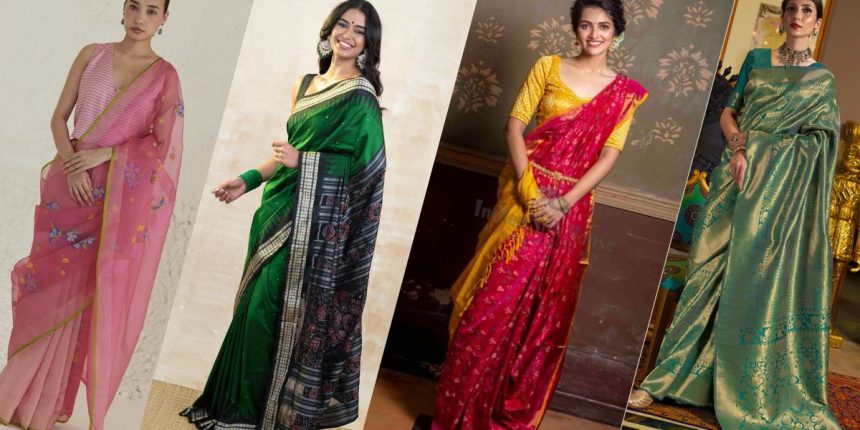
India’s saree culture is not “one style fits all.” Across the country, every state has its own signature weave, fabric, motifs, borders, and draping style influenced by local climate, festivals, traditions, and the skills passed down through generations of artisans. From rich silk heirlooms made for weddings to breathable cotton weaves perfect for hot summers, each saree reflects the identity of its region.
You’ll find dramatic zari work, delicate handloom textures, vibrant tie-dye patterns, and storytelling pallus that carry history in thread. This guide brings together 28 states and 28 iconic sarees, along with simple tips to help you choose the right saree for weddings, office wear, summer comfort, and festive occasions, so you can shop with confidence and wear traditional drapes in a way that matches your style and lifestyle.
Quick Guide: Choose Saree by Occasion
- Wedding / Reception: Banarasi, Kanjeevaram, Paithani, Patola (rich zari, heirloom feel).
- Festivals / Pooja: Kasavu, Sambalpuri, Leheriya, Phulkari (traditional motifs, vibrant mood).
- Summer / Daily wear: Chanderi, Ilkal, Kunbi, Apatani (lightweight, breathable, easy drape).
- Office / Semi-formal: Chanderi, Bhagalpuri Tussar (subtle shine, elegant texture).
North & West India Sarees
Punjab – Phulkari Saree
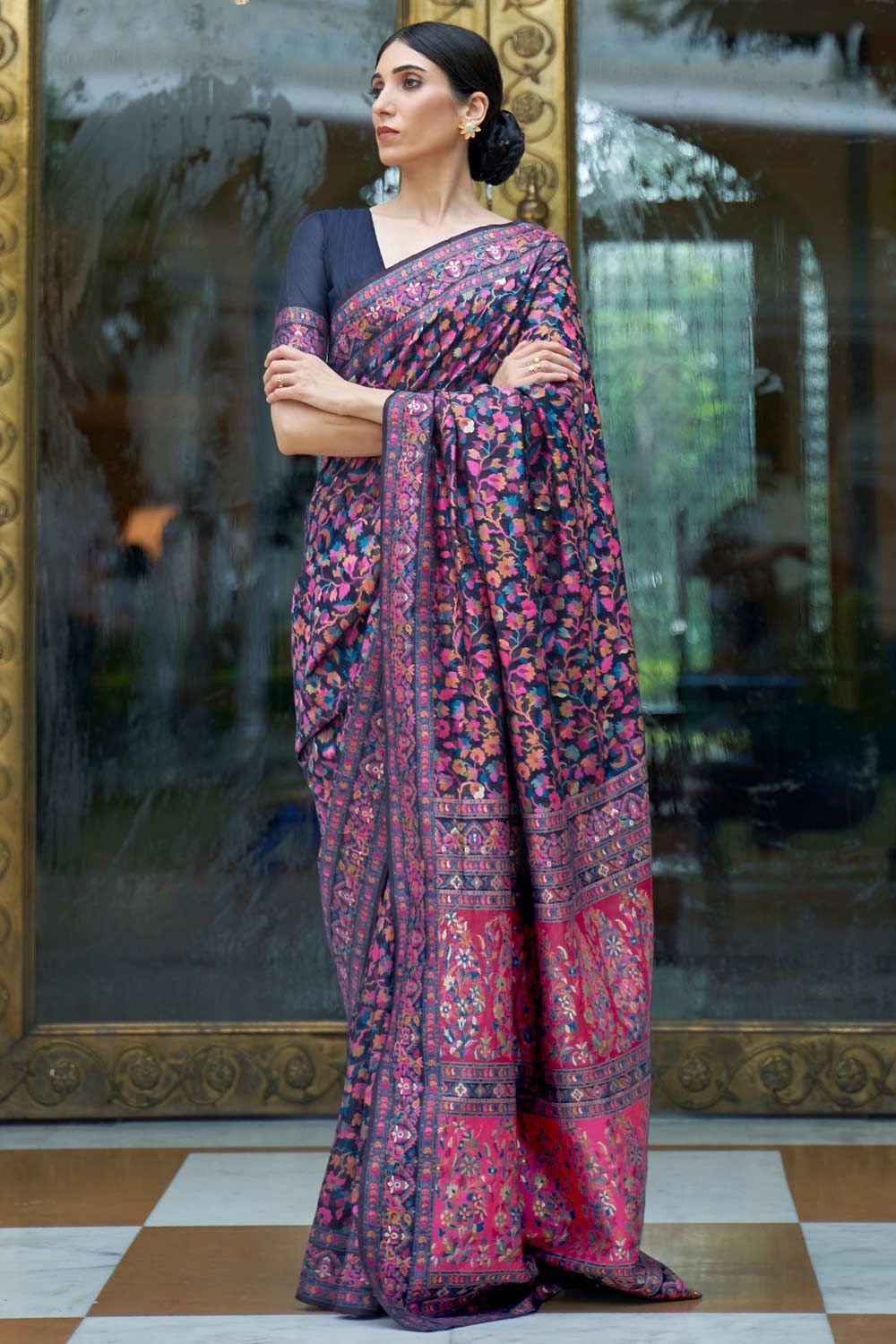
Bright floral embroidery that brings instant celebration energy perfect for functions and festive gatherings.
Rajasthan – Leheriya Saree
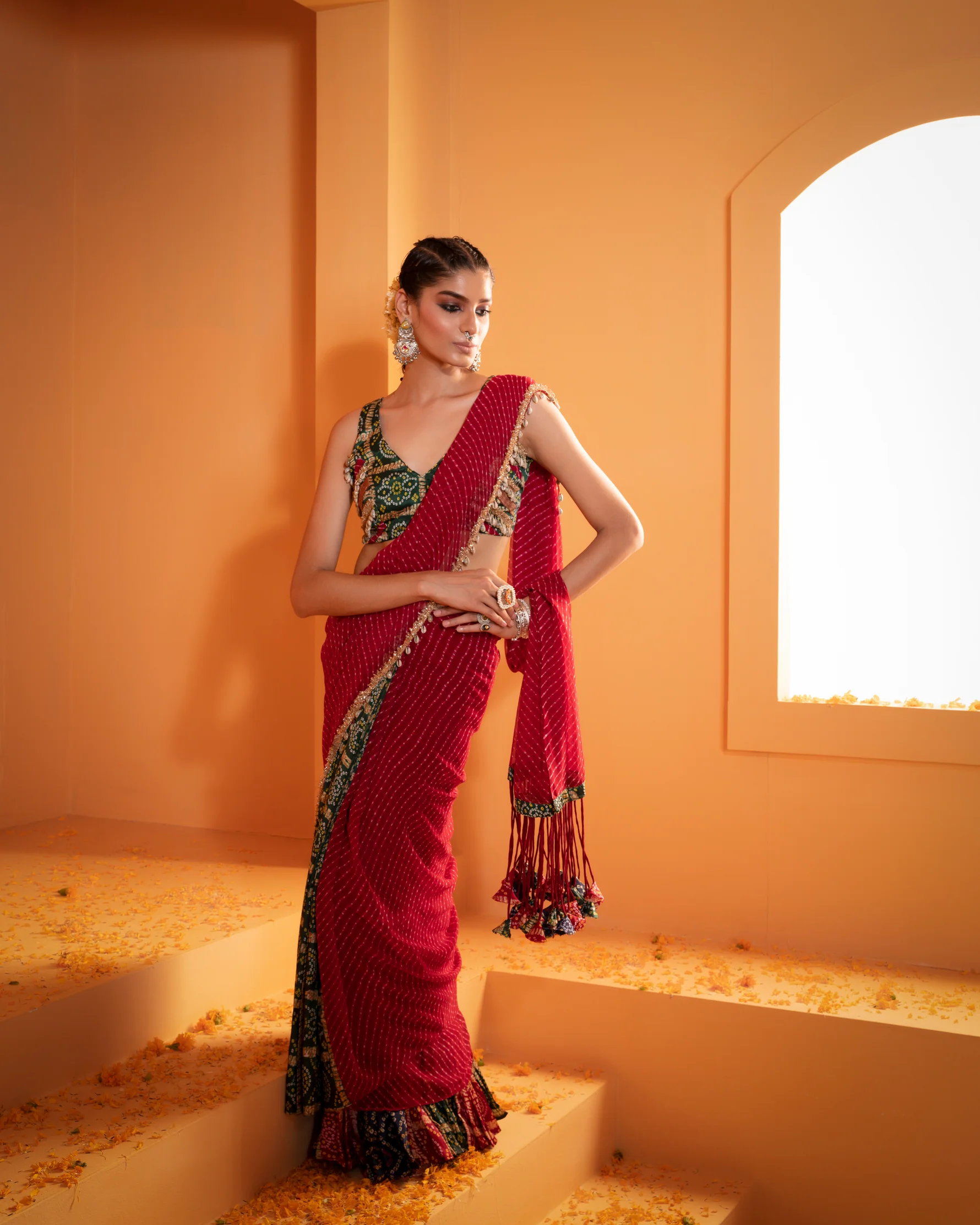
Wave-like tie-dye patterns, colorful and breezy ideal for summers and cultural functions.
Gujarat – Patola Saree
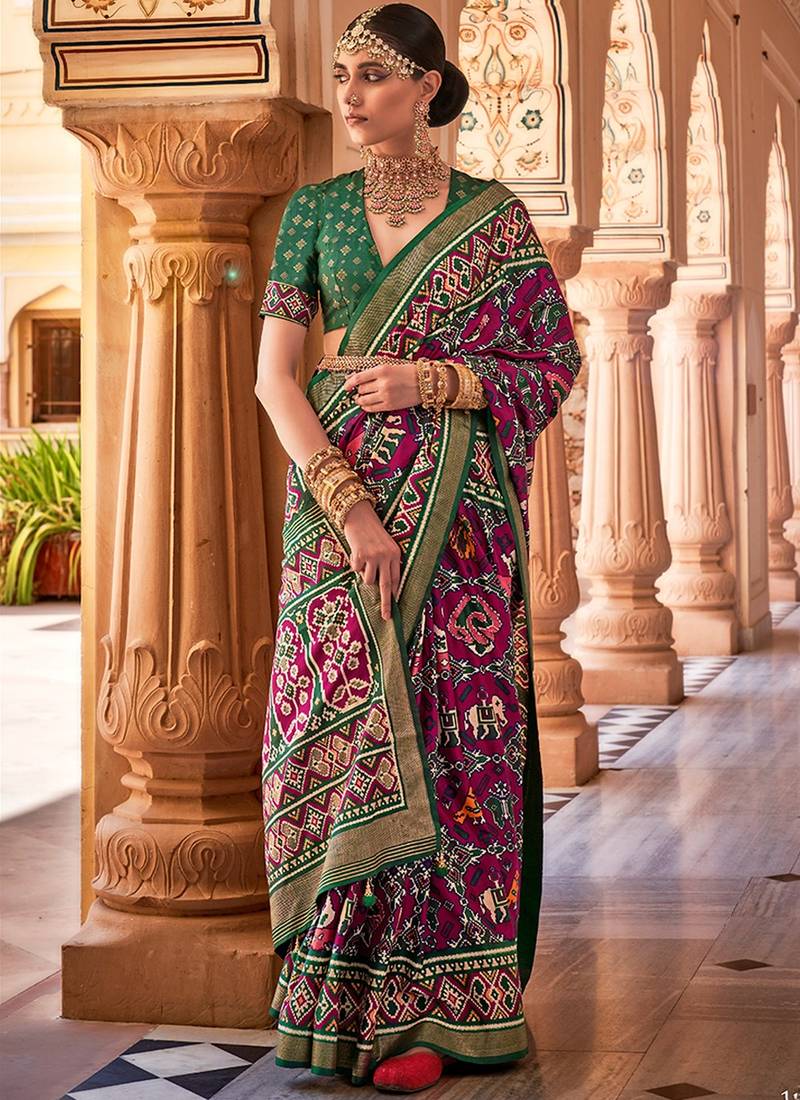
A double-ikat masterpiece from Patan with vibrant geometric/folk motifs premium and heritage-rich.
Goa – Kunbi Saree
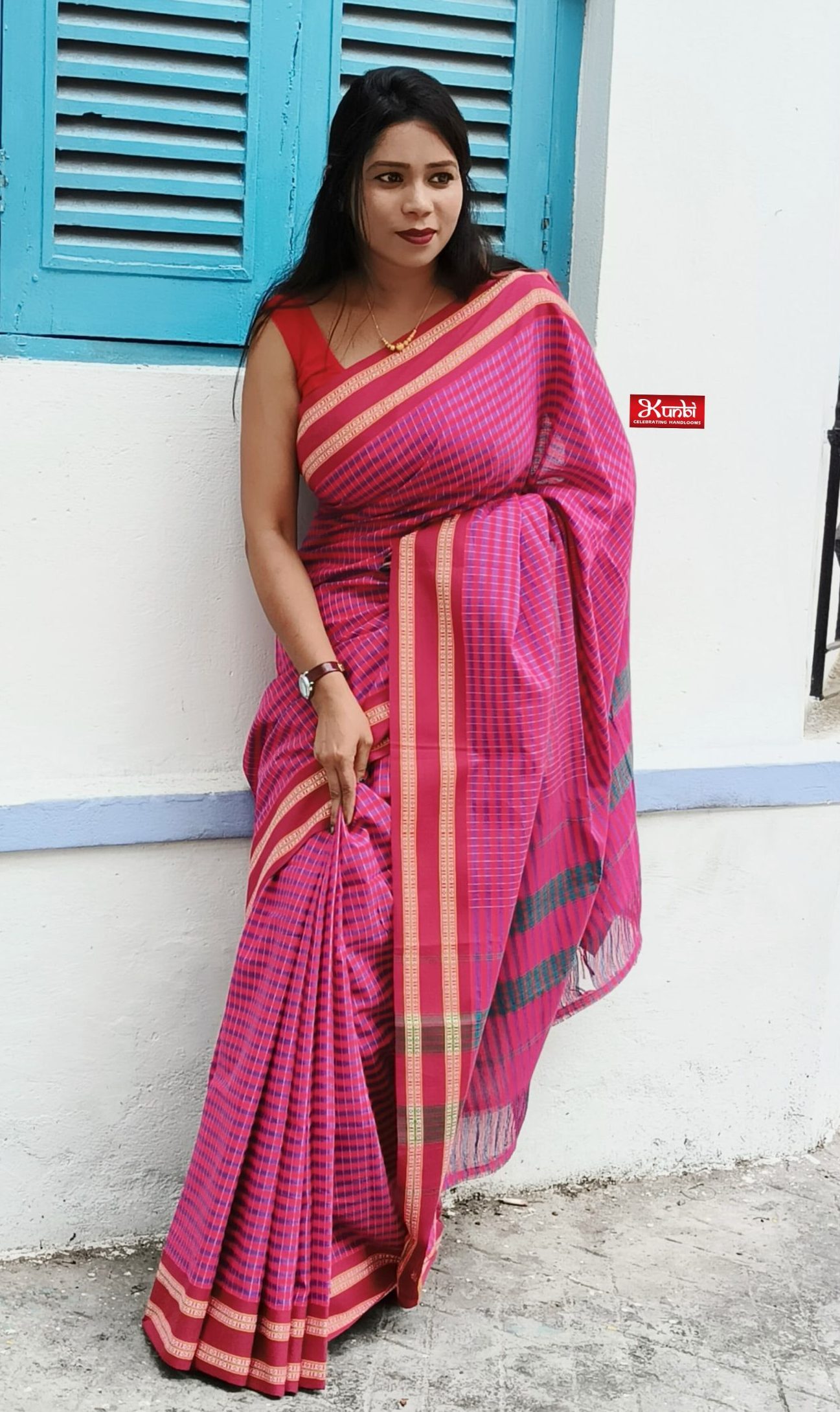
Traditional checks and simple borders revived as a strong cultural symbol of Goa’s local identity.
Maharashtra – Paithani Saree
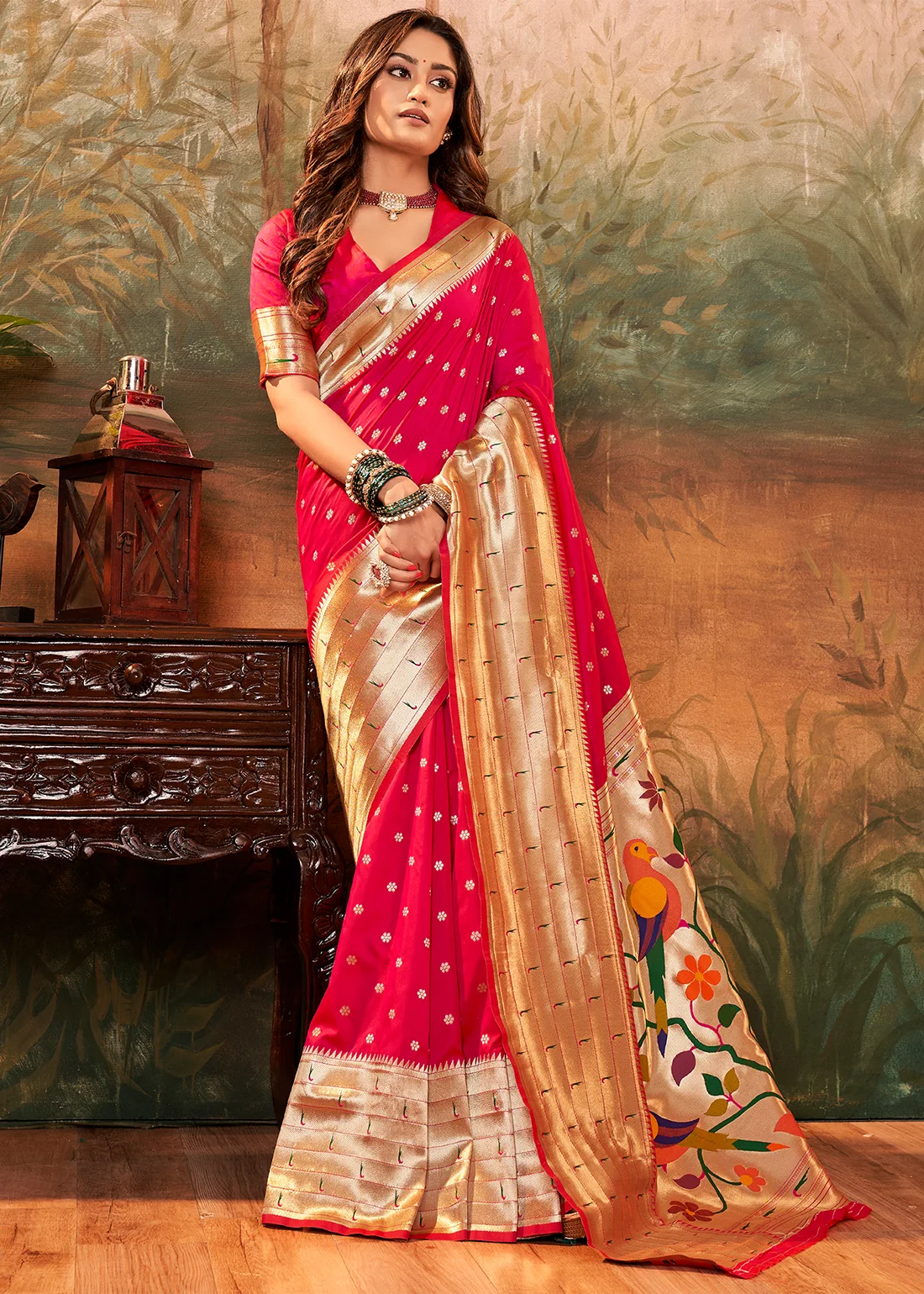
Royal silk feel with classic motifs (like peacock/lotus) often considered a bridal and heirloom saree.
Haryana – Resham Dhuria Saree
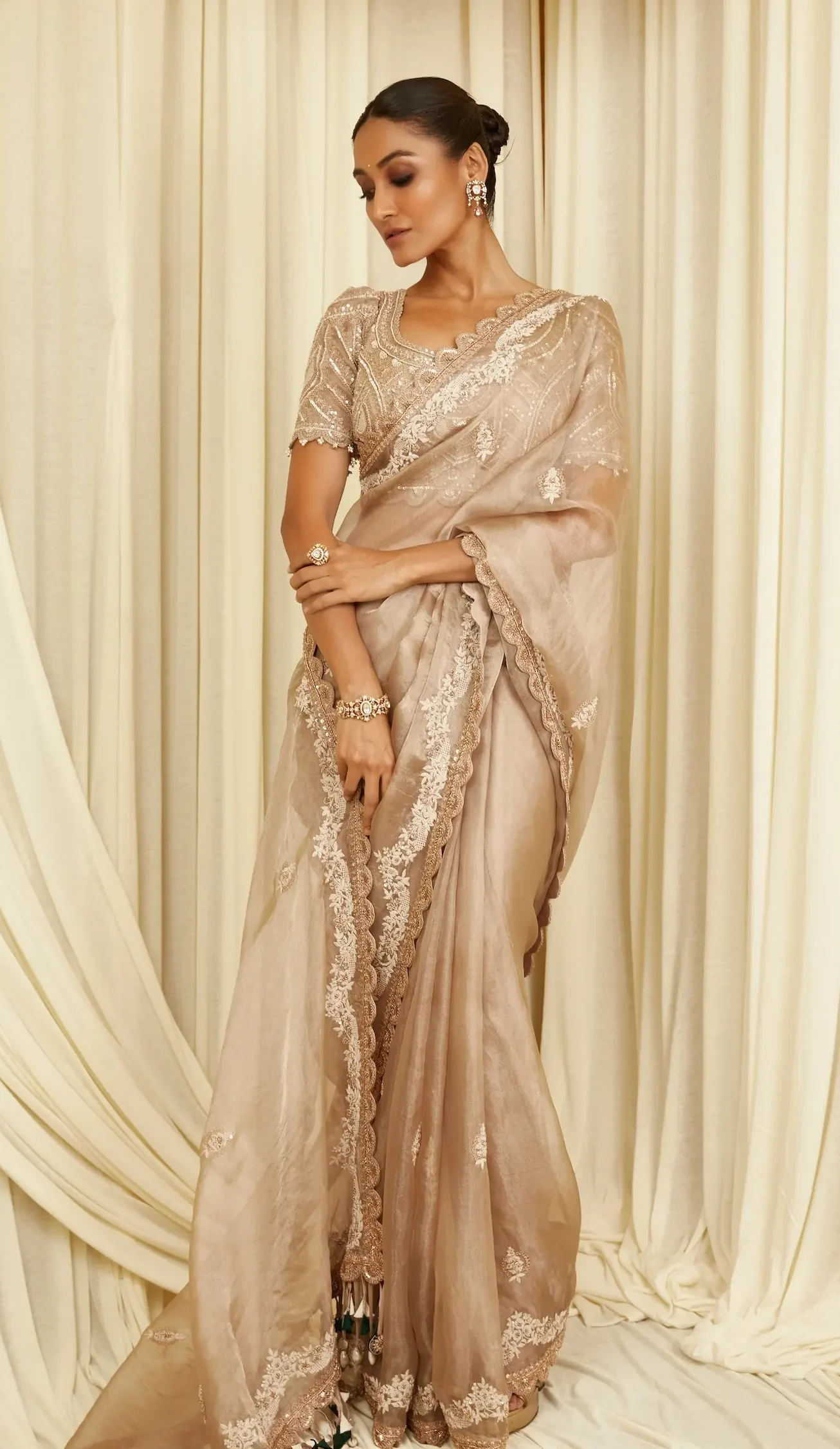
Silk embroidery on comfortable bases like cotton or chiffon; a festive, folk-inspired look.
Central & East India sarees
Madhya Pradesh – Chanderi Saree
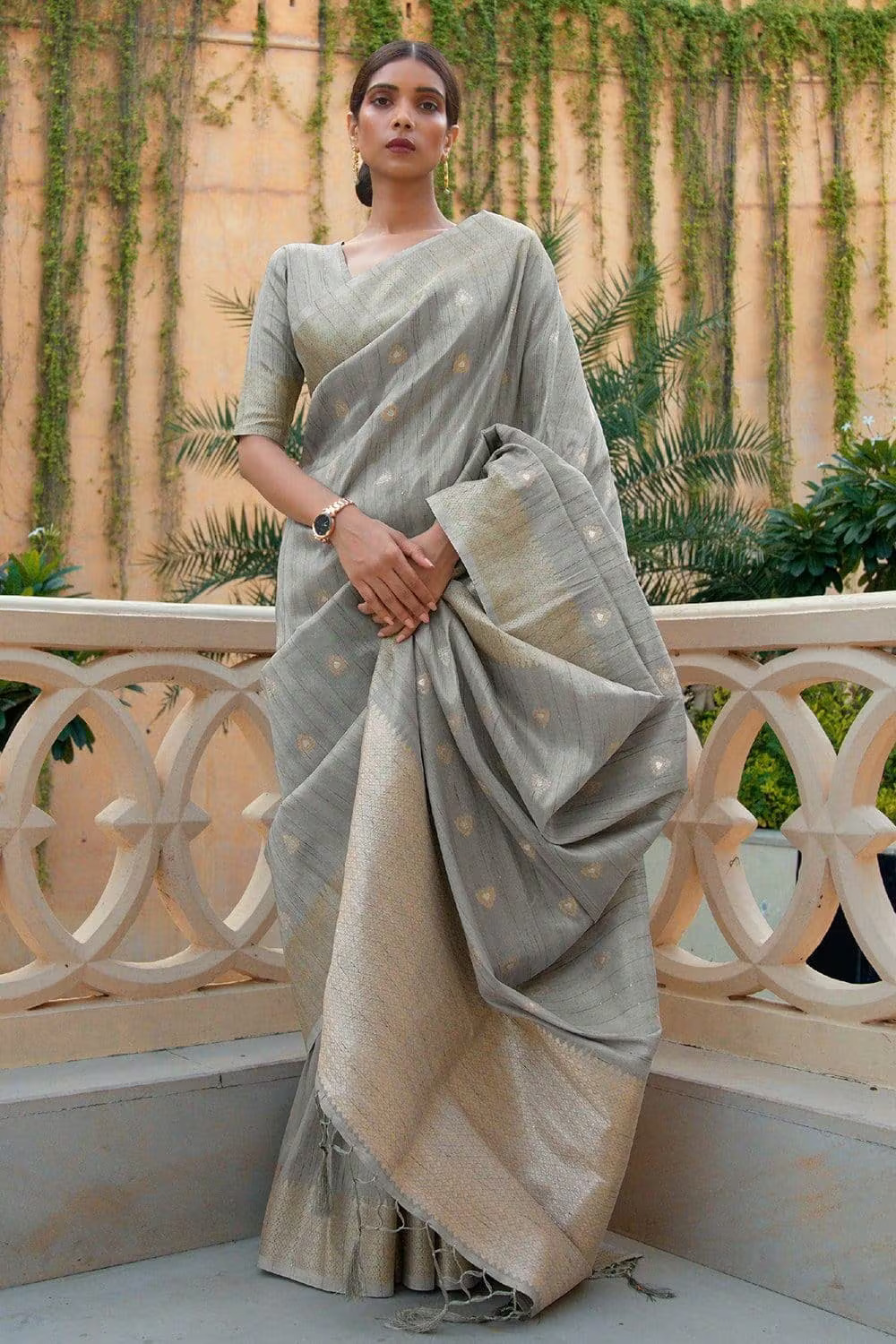
Lightweight, glossy finish with delicate butis and zari borders—great for summer and office-to-festive styling.
Chhattisgarh – Kosa Silk Saree
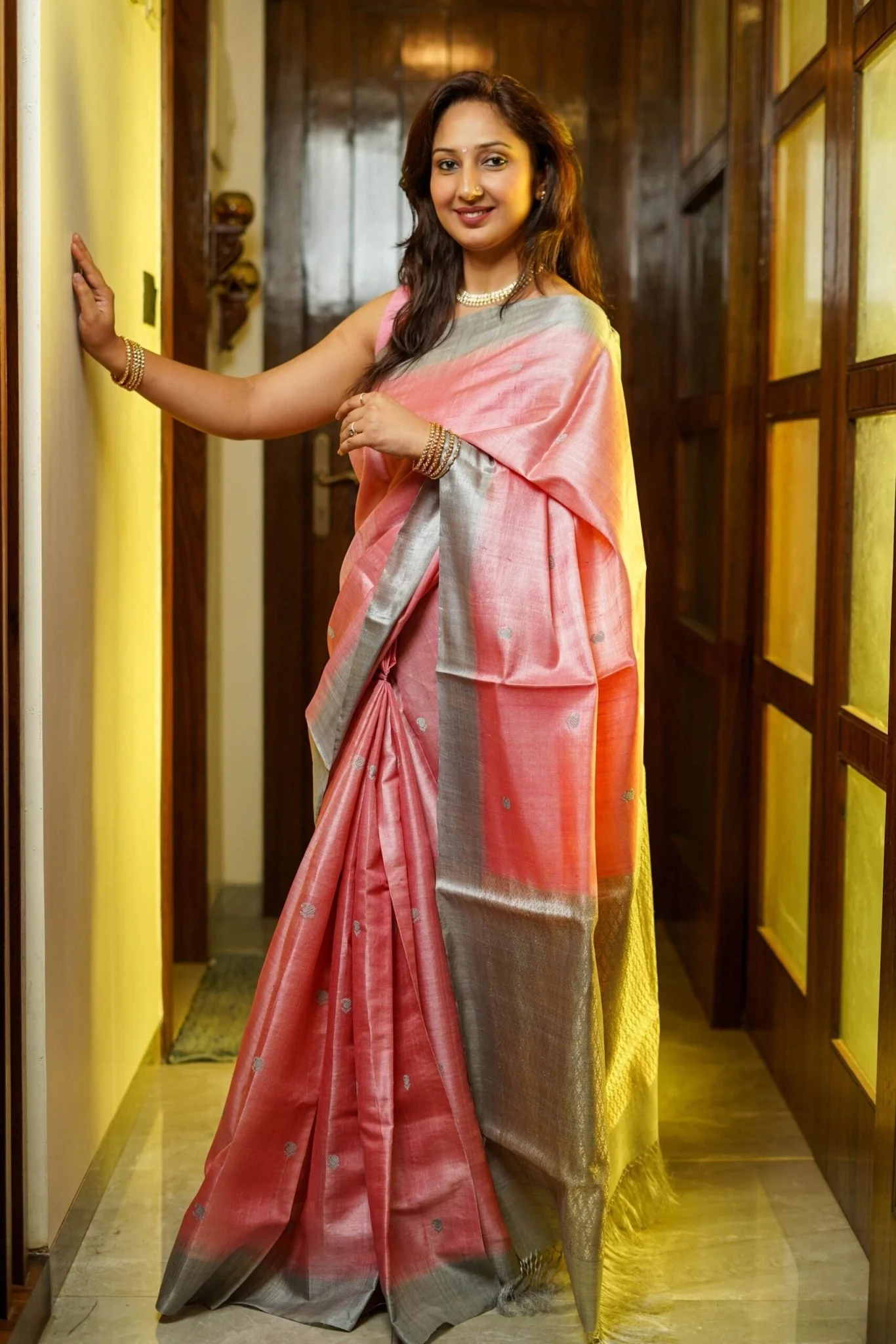
Matte finish with tribal influence known for natural appeal and understated elegance.
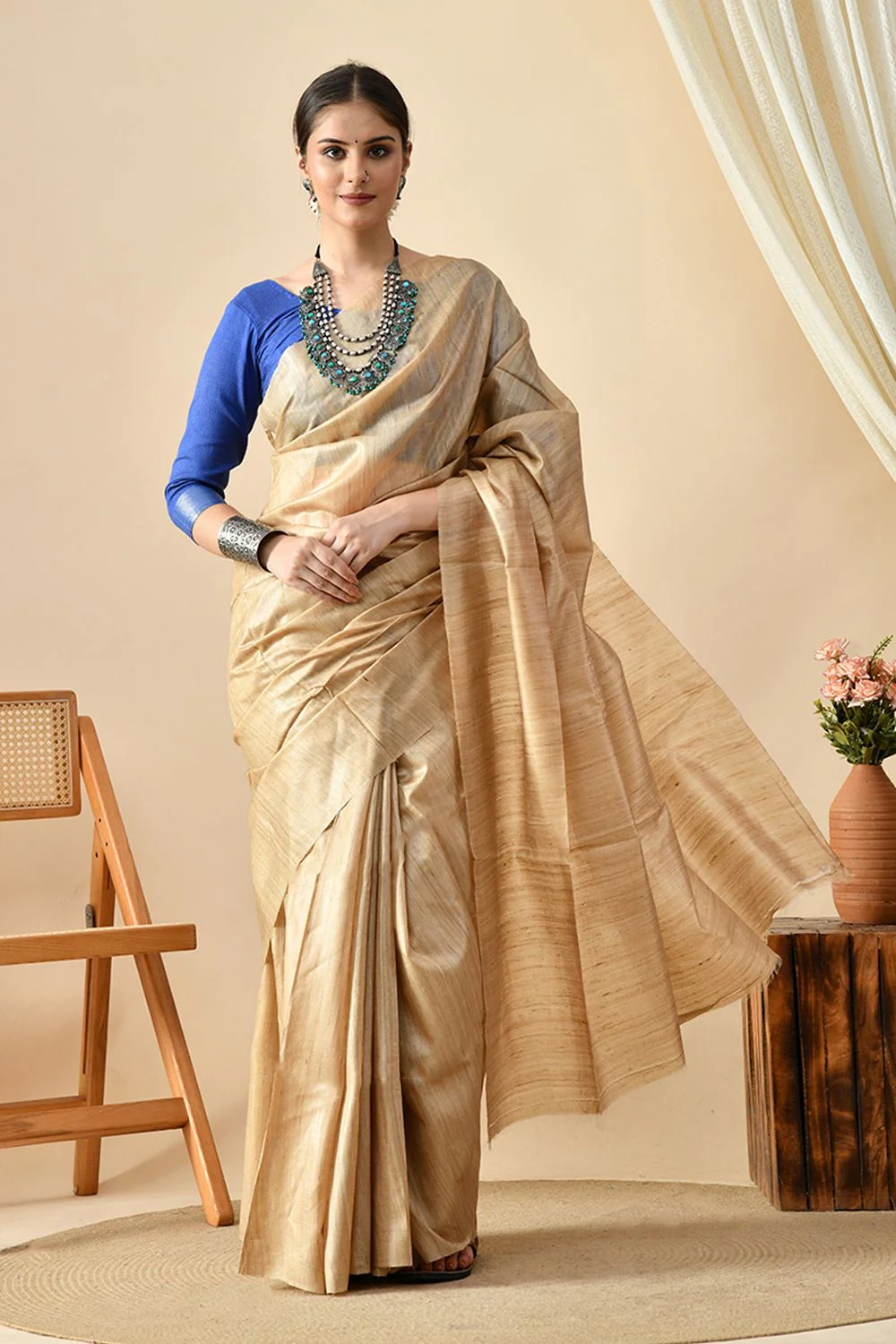
Bihar – Bhagalpuri Tussar Silk Saree
Jharkhand – Tribal Tussar Saree
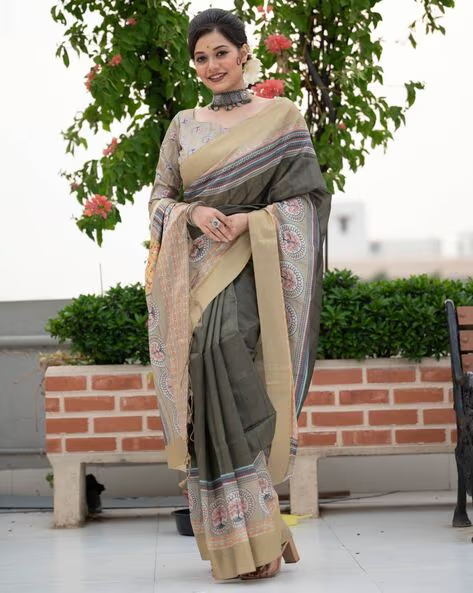
Often woven with organic dyes and tribal motifs reflecting local life and beliefs artistic and rooted.
Odisha – Sambalpuri Saree
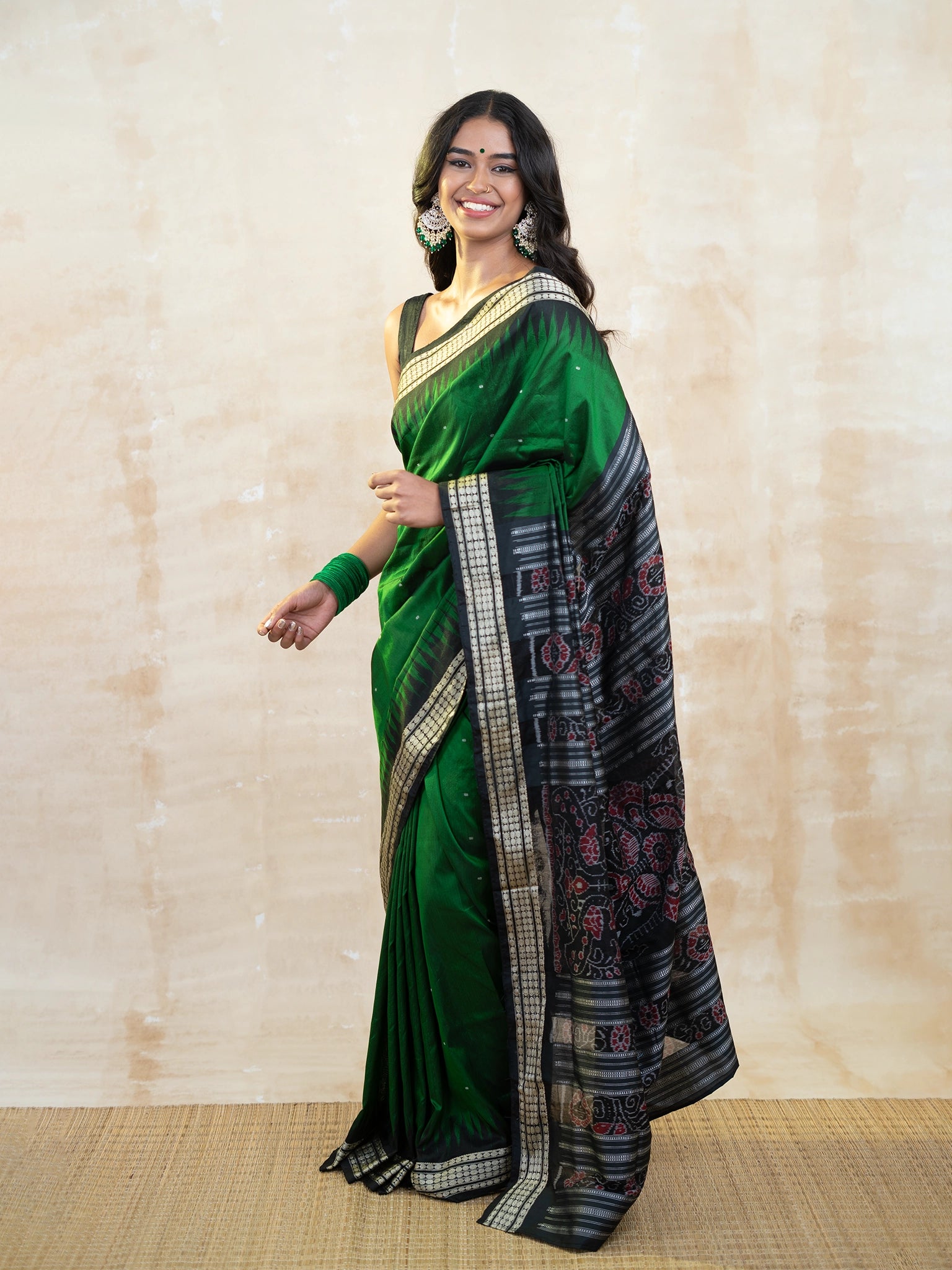
Made using the Bandha (ikat) technique with meaningful motifs vibrant and instantly recognizable.
West Bengal – Baluchari Saree
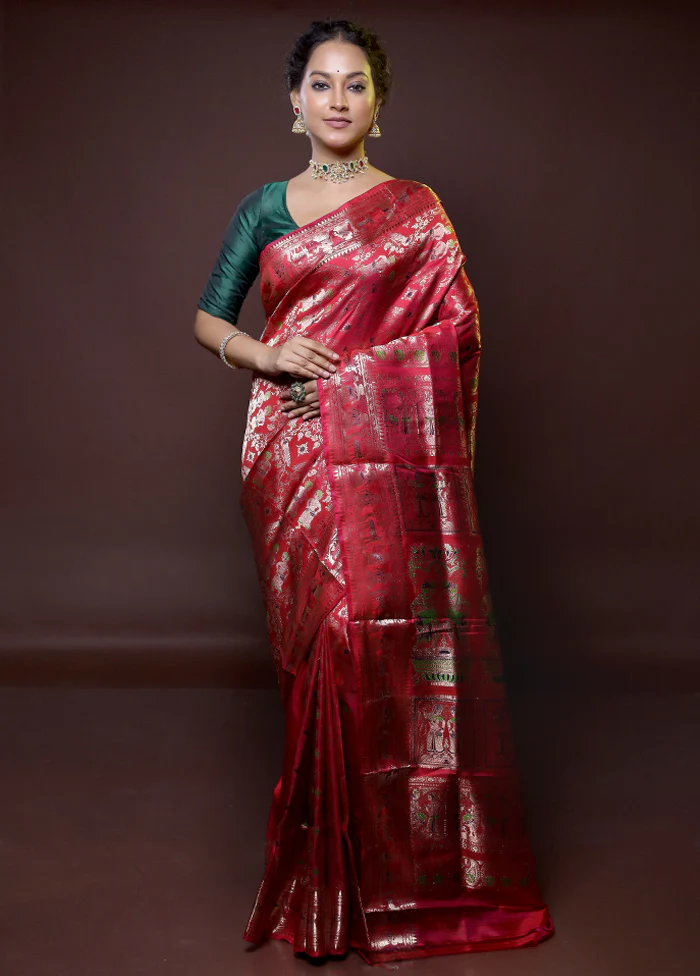
Known for storytelling pallus (mythological scenes) a heritage drape with a statement look.
South India sarees
Tamil Nadu – Kanjeevaram Saree
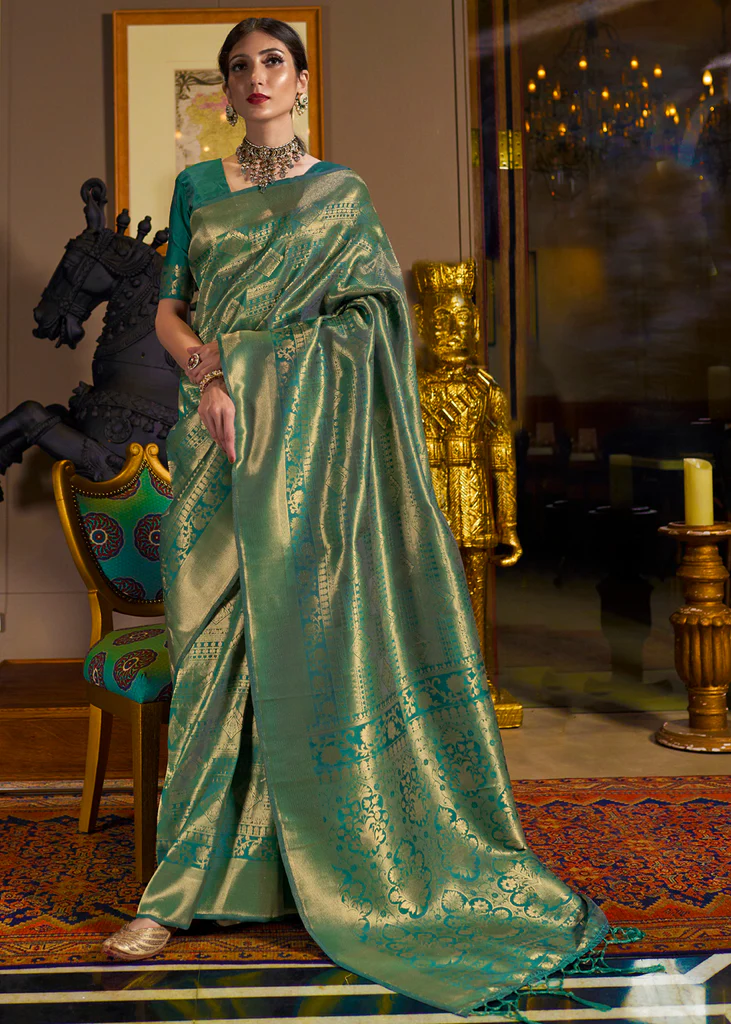
Heavy silk, temple borders, and contrasting pallus iconic for weddings, poojas, and grand occasions.
Telangana – Gadwal Saree
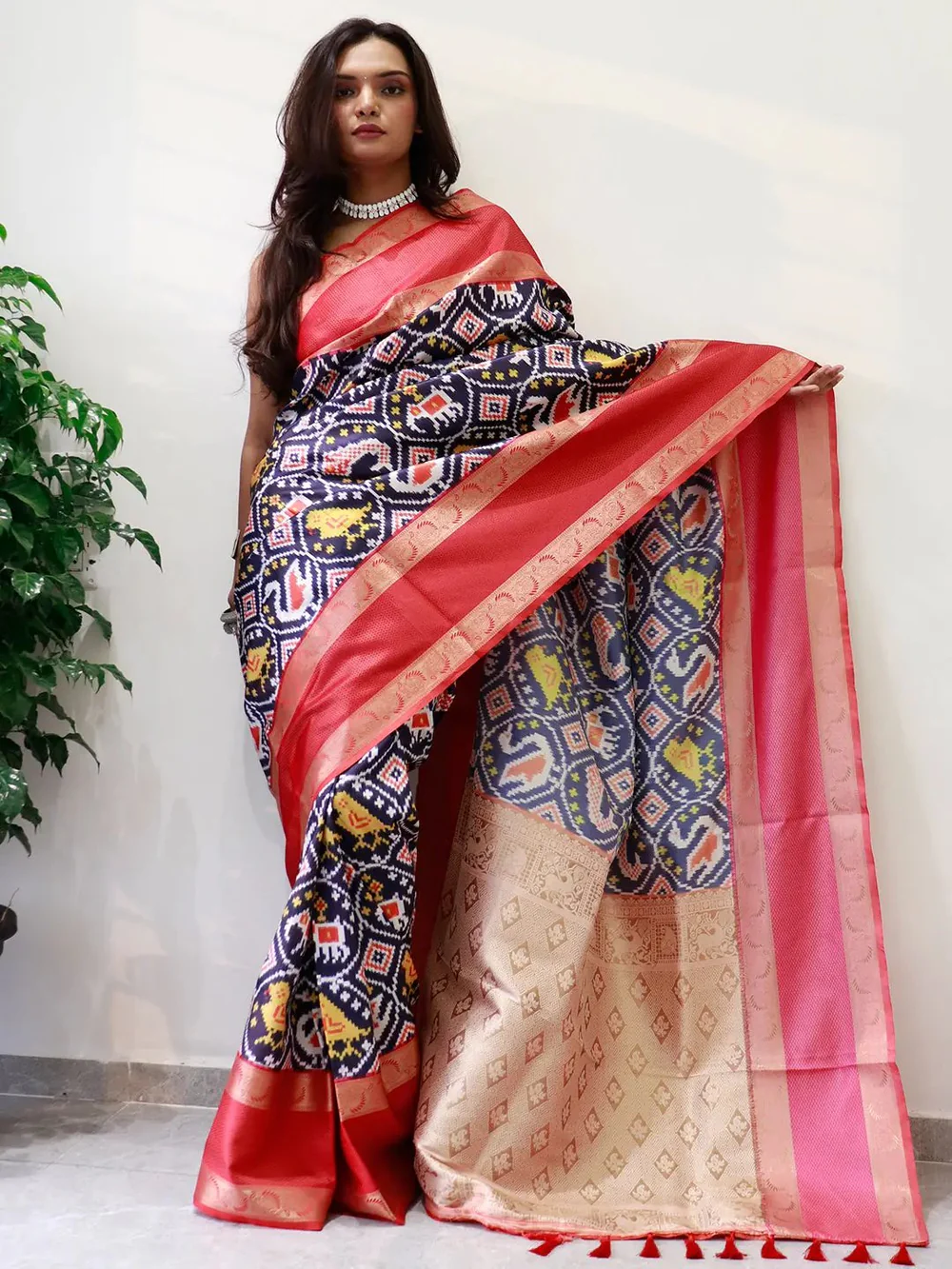
Cotton body with silk pallu/borders light yet luxurious with traditional motifs.
Andhra Pradesh – Uppada Silk Saree
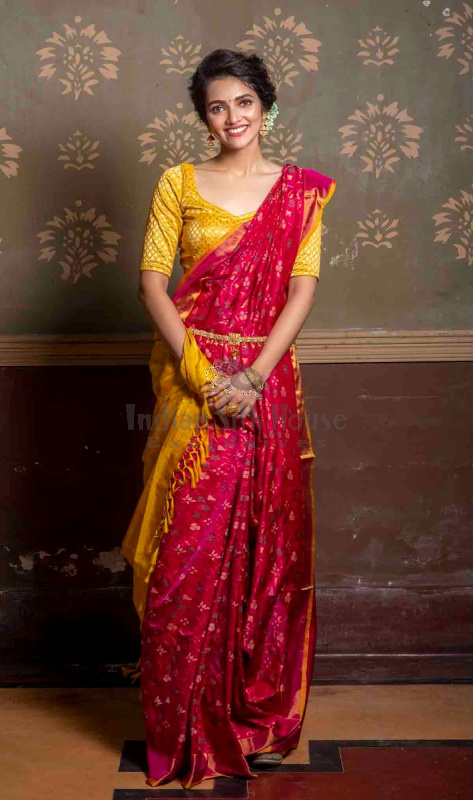
Famous for lightweight silk and delicate zari work luxurious but breathable for functions.
Karnataka – Ilkal Saree
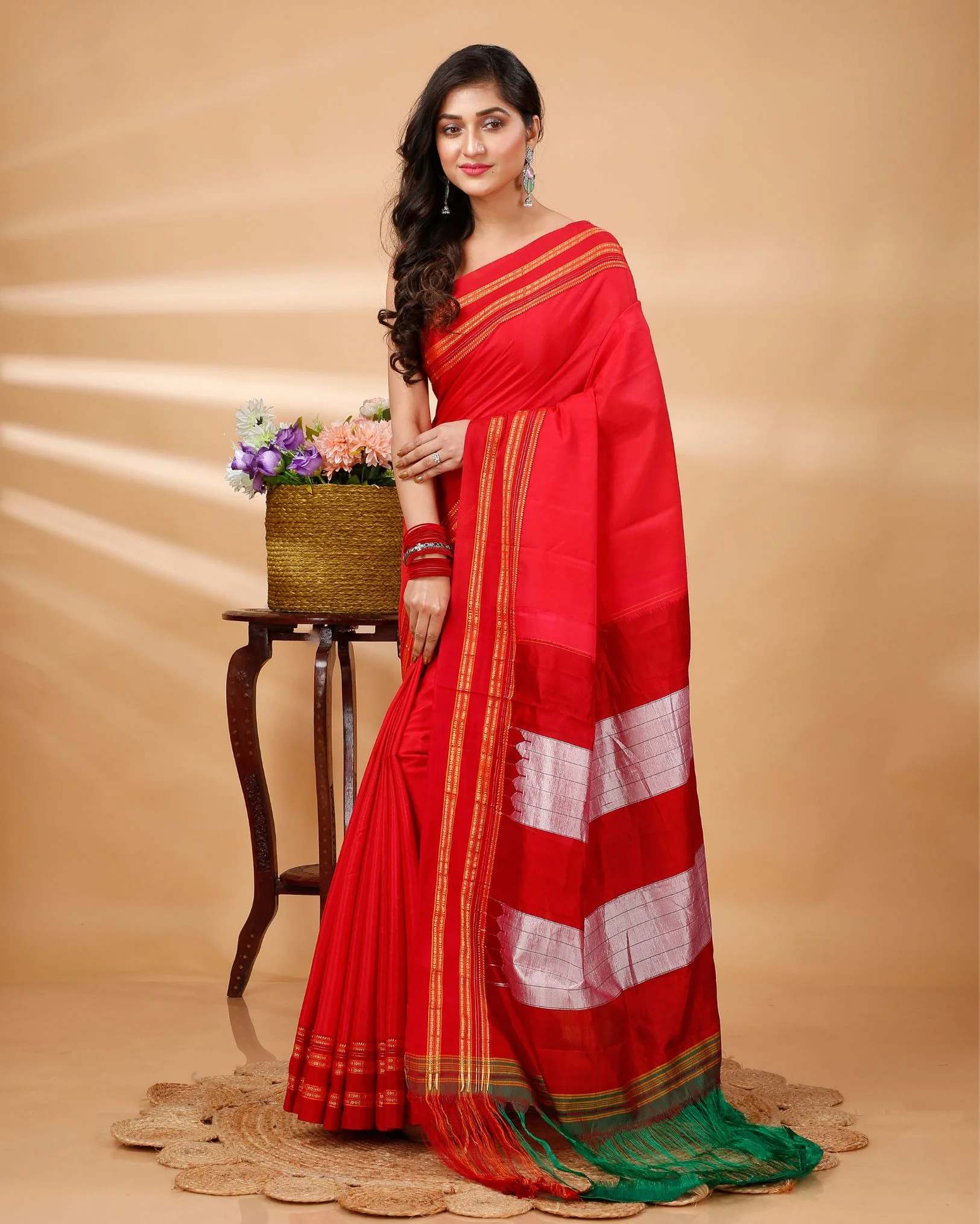
Cotton body with silk borders and a distinct pallu style durable, practical, and traditional.
Kerala – Kasavu Saree
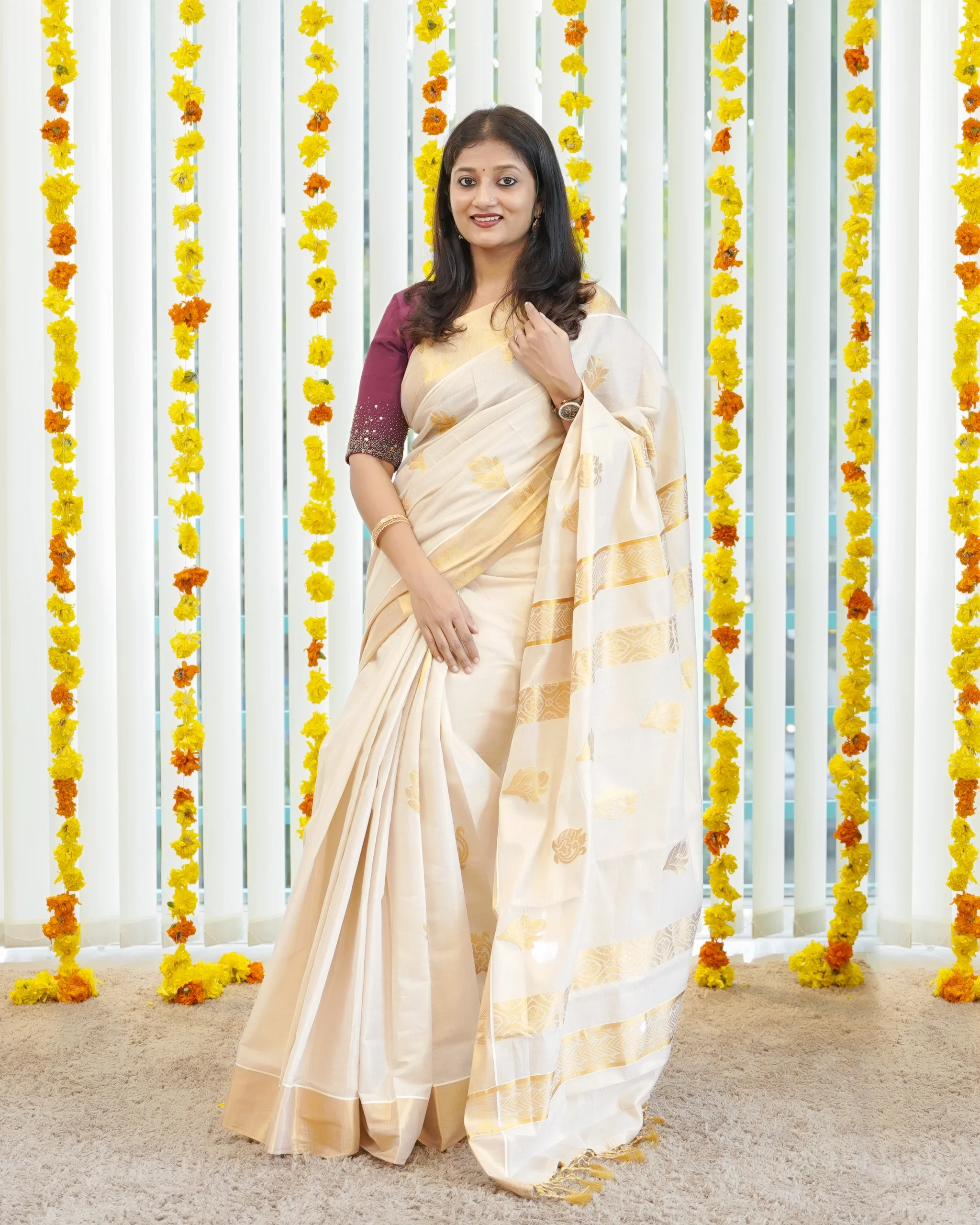
White/off-white with gold border minimal, elegant, and strongly associated with festivals and weddings.
Northeast India sarees
Assam – Muga Silk Saree
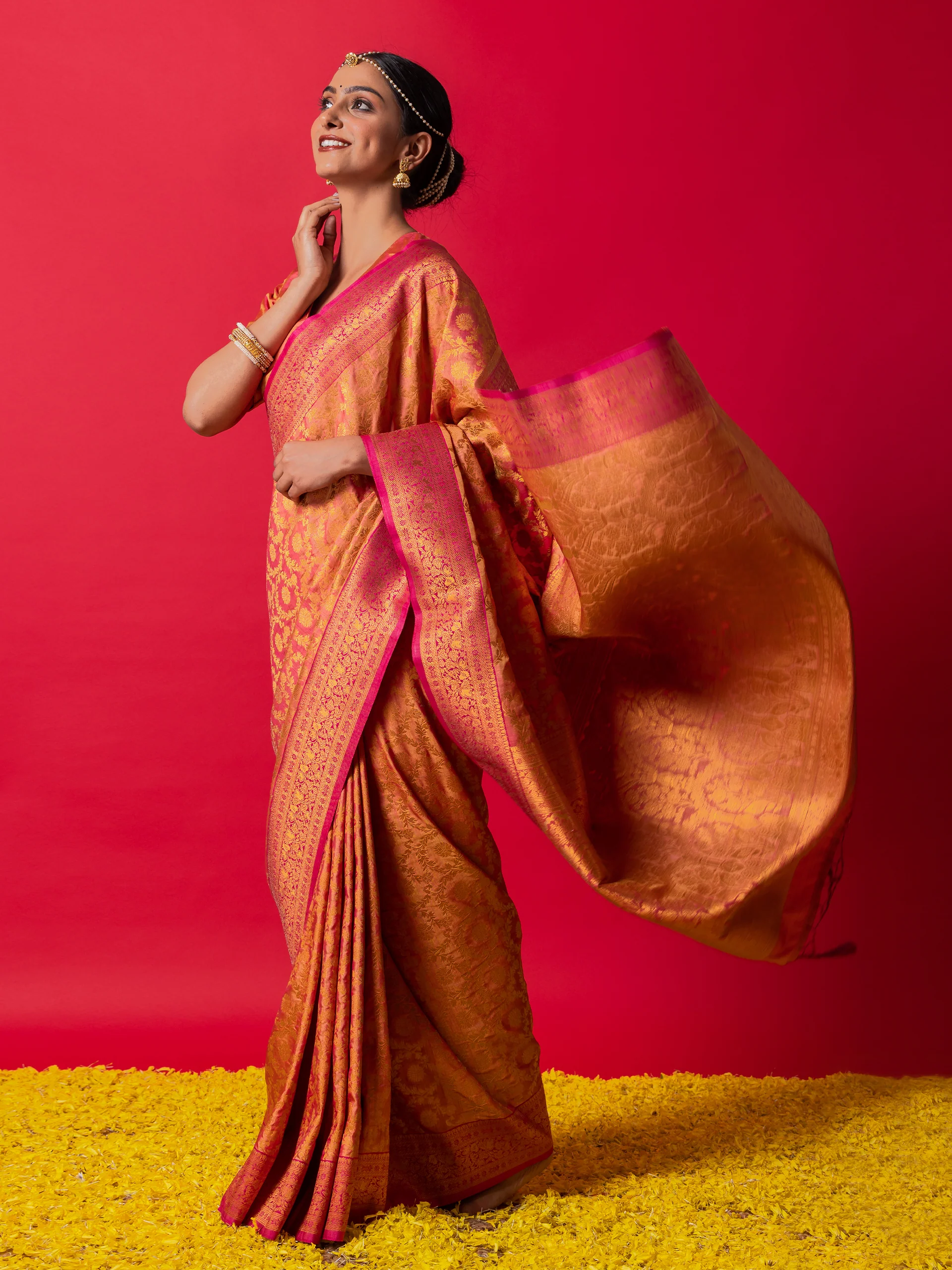
Renowned for a natural golden sheen and durability often worn during Bihu and weddings.
Arunachal Pradesh – Apatani Cotton Saree
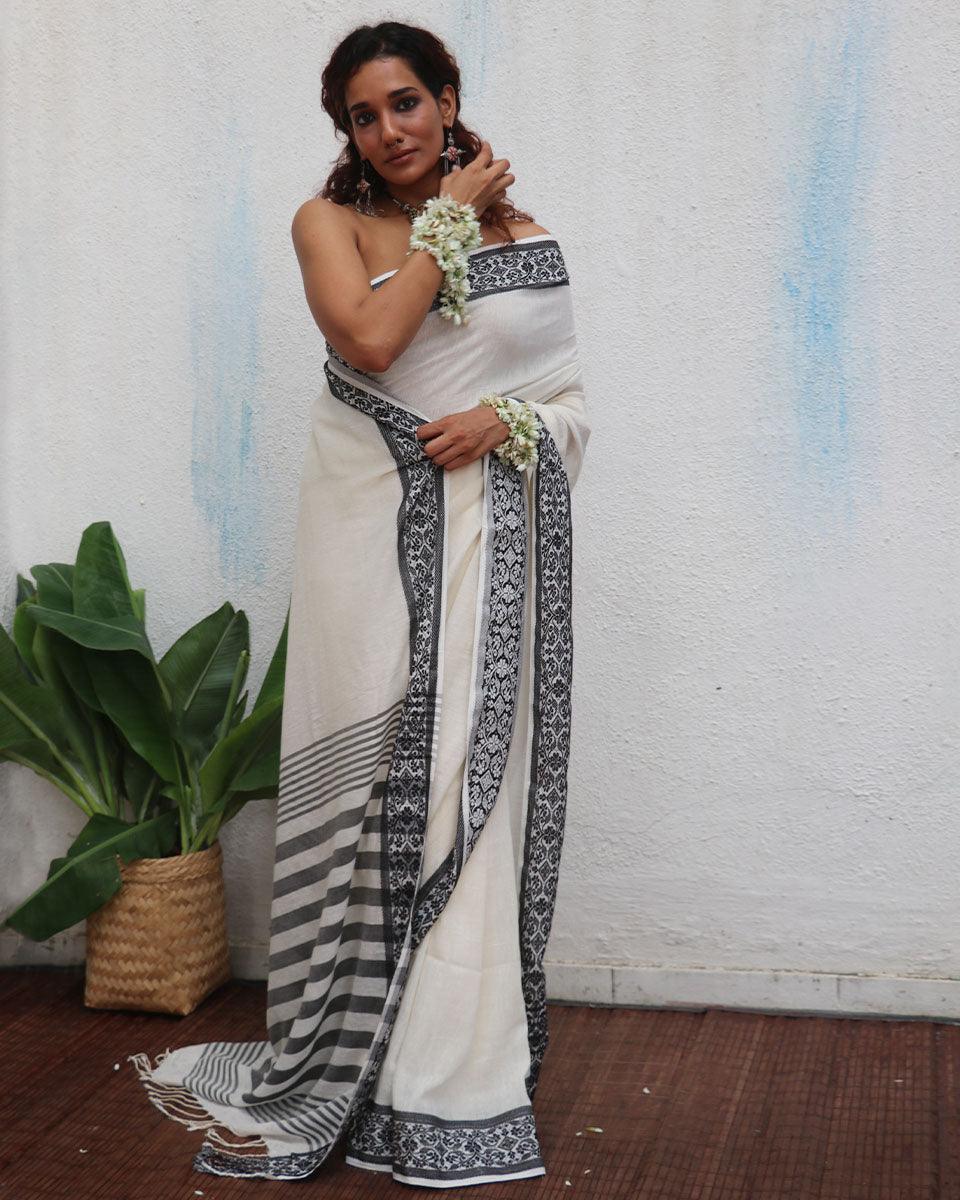
Minimalist tribal stripes/geometric patterns a sustainable, earthy aesthetic.
Manipur – Moirang Phee Saree
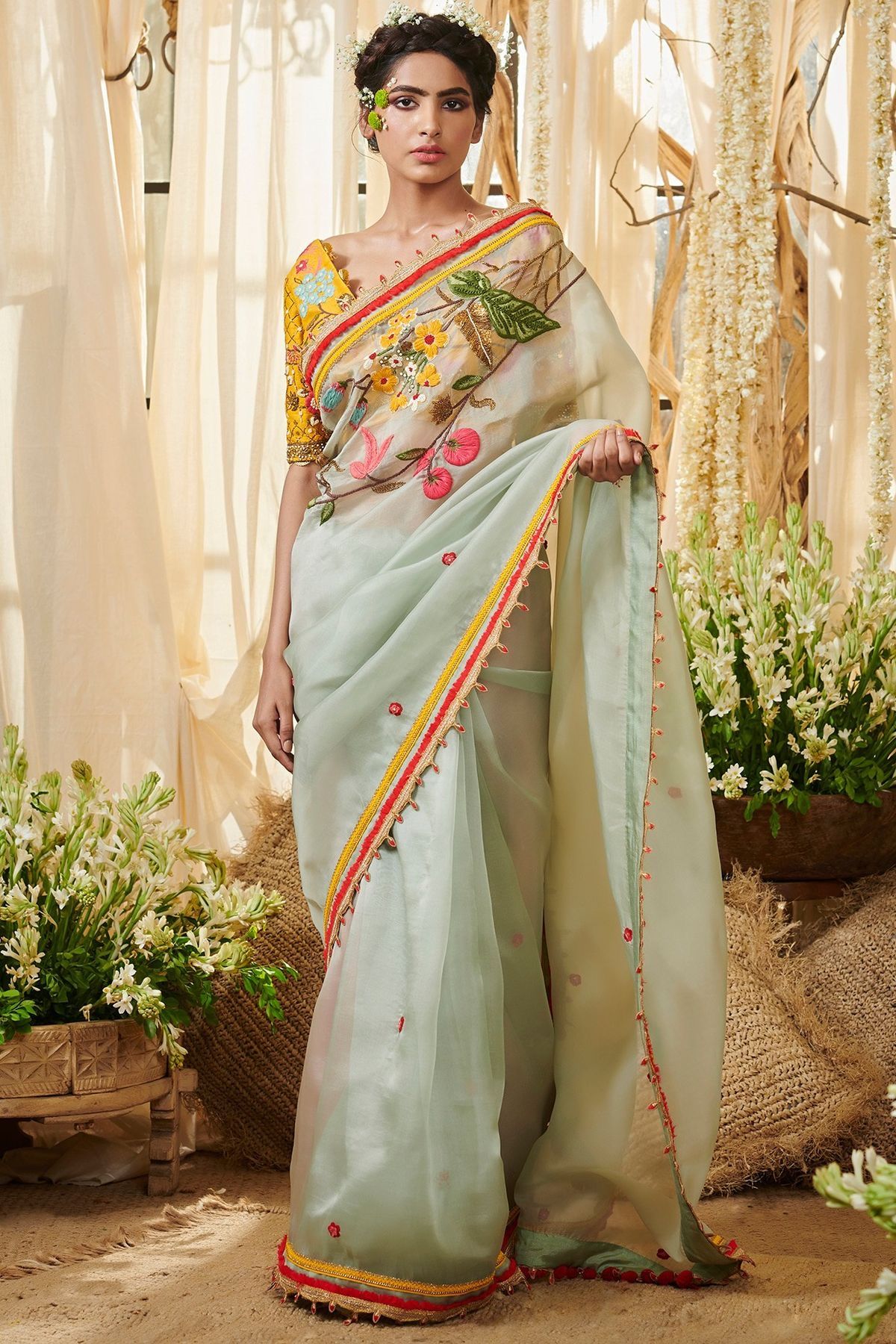
Signature triangular border motif culturally significant and worn during rituals.
Meghalaya – Jainsem-Inspired Saree
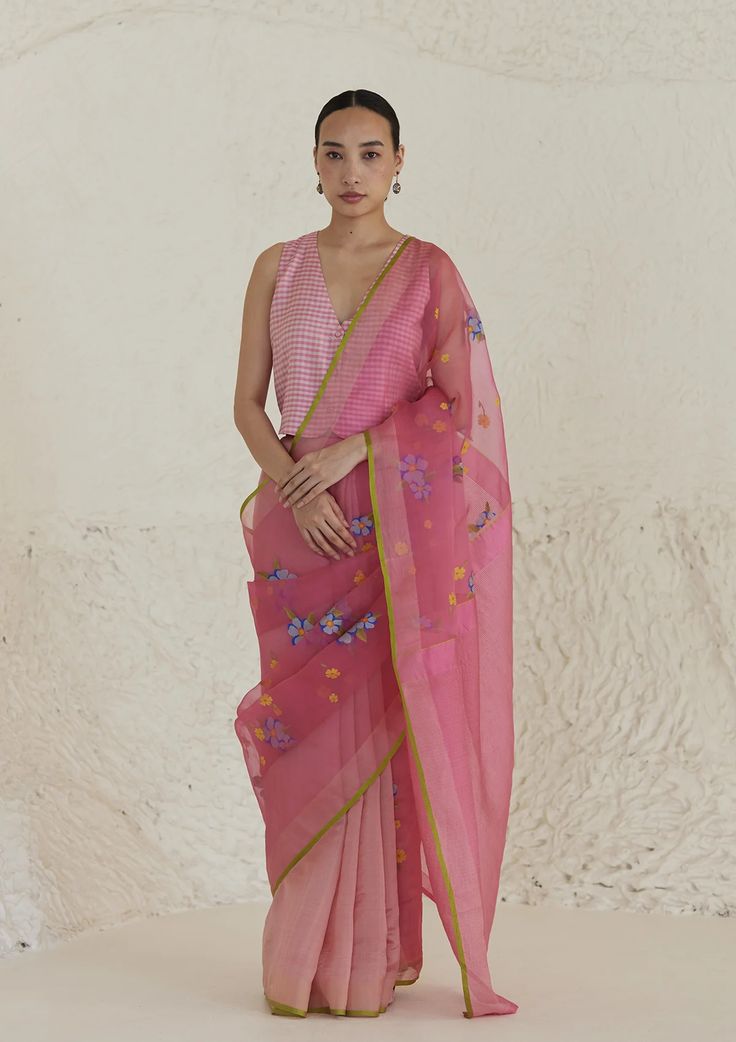
Layered drape inspiration with Eri silk/cotton blends; minimalist but distinctive.
Mizoram – Puan Saree
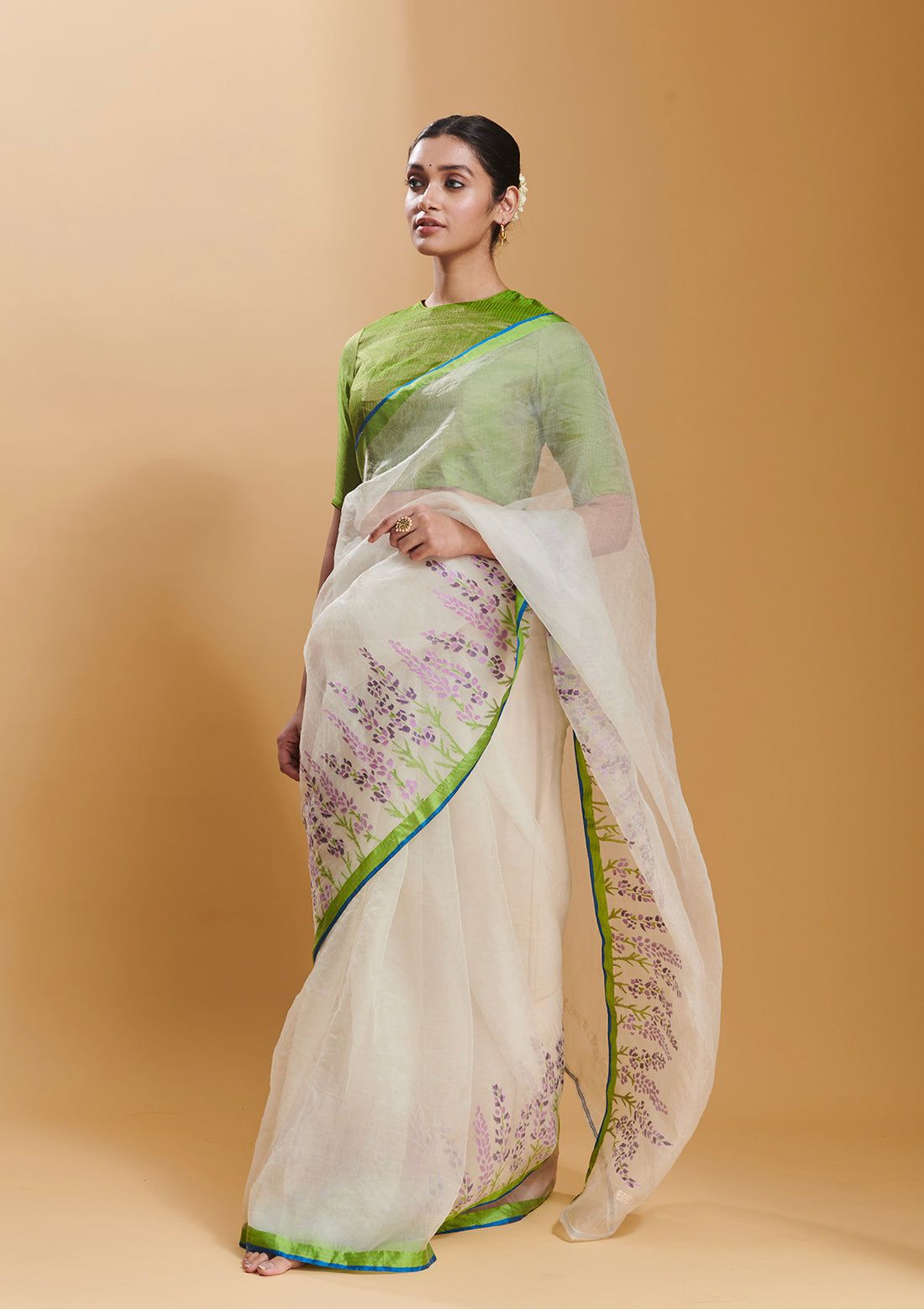
Bold structured patterns, commonly in strong color blocks comfortable for daily use.
Nagaland – Ao Naga Saree
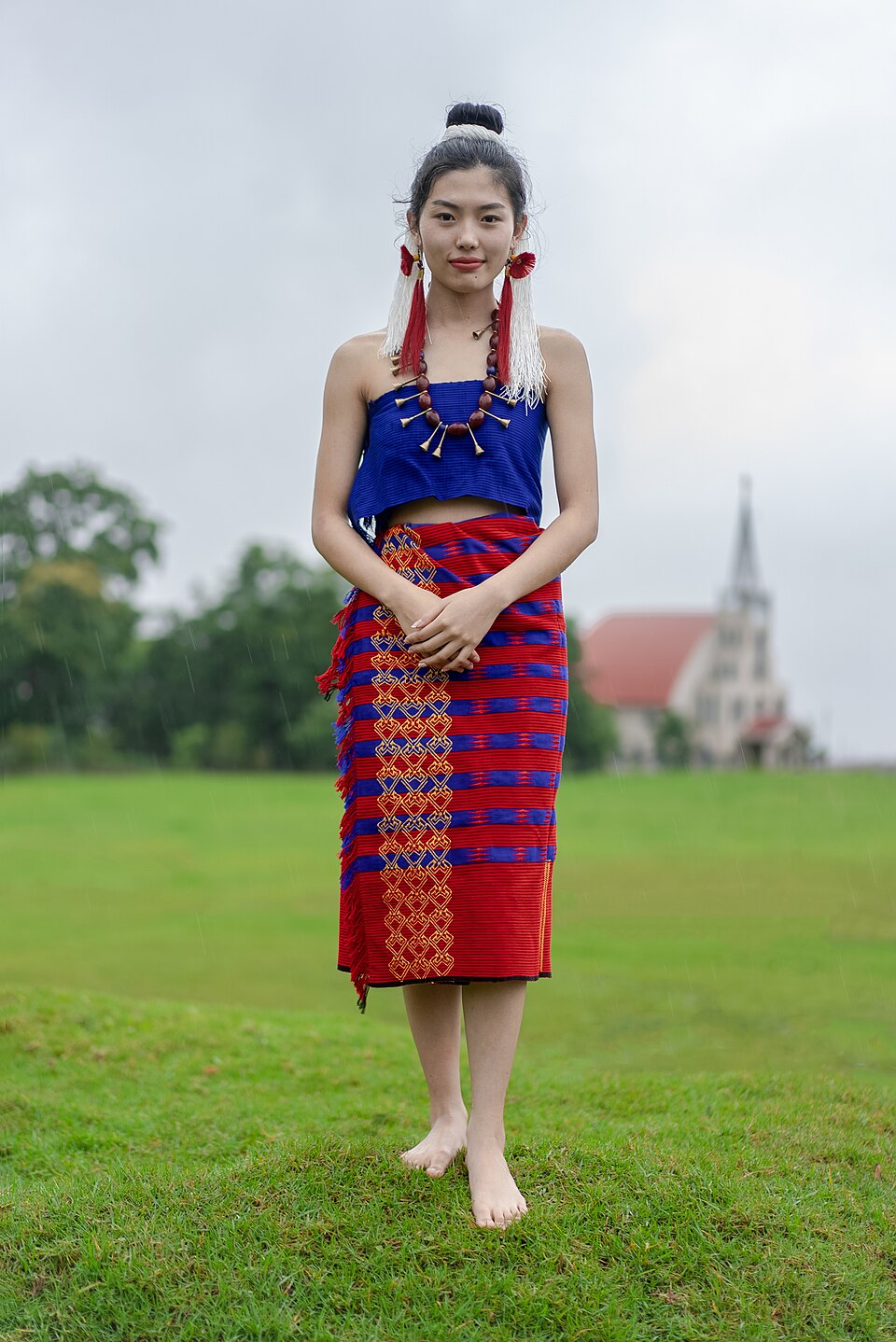
Adapted from tribal shawl patterns; strong linear motifs with a powerful visual identity.
Sikkim – Bhutia-Inspired Saree
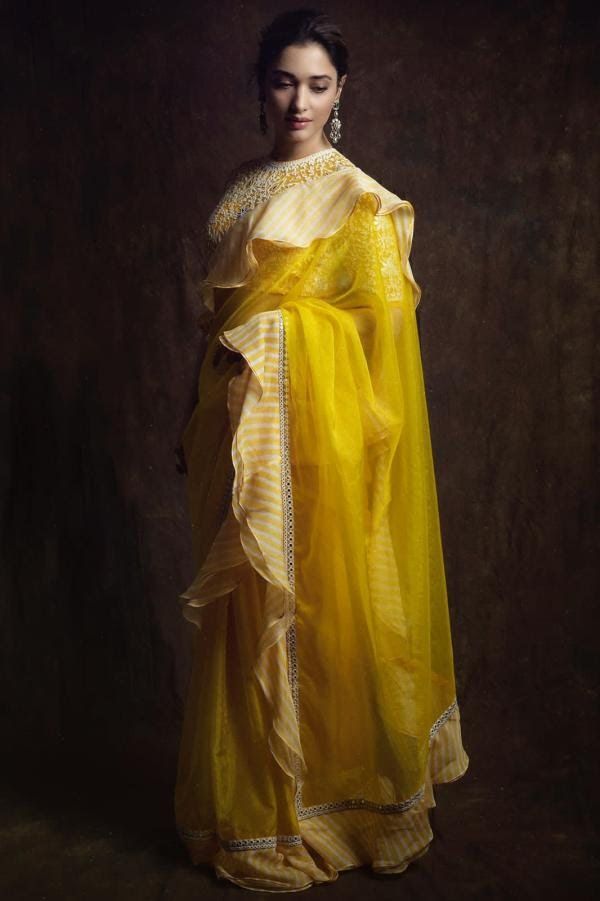
Often features spiritual symbols and rich woven aesthetics used for ceremonial styling.
Tripura – Risa-Inspired Saree
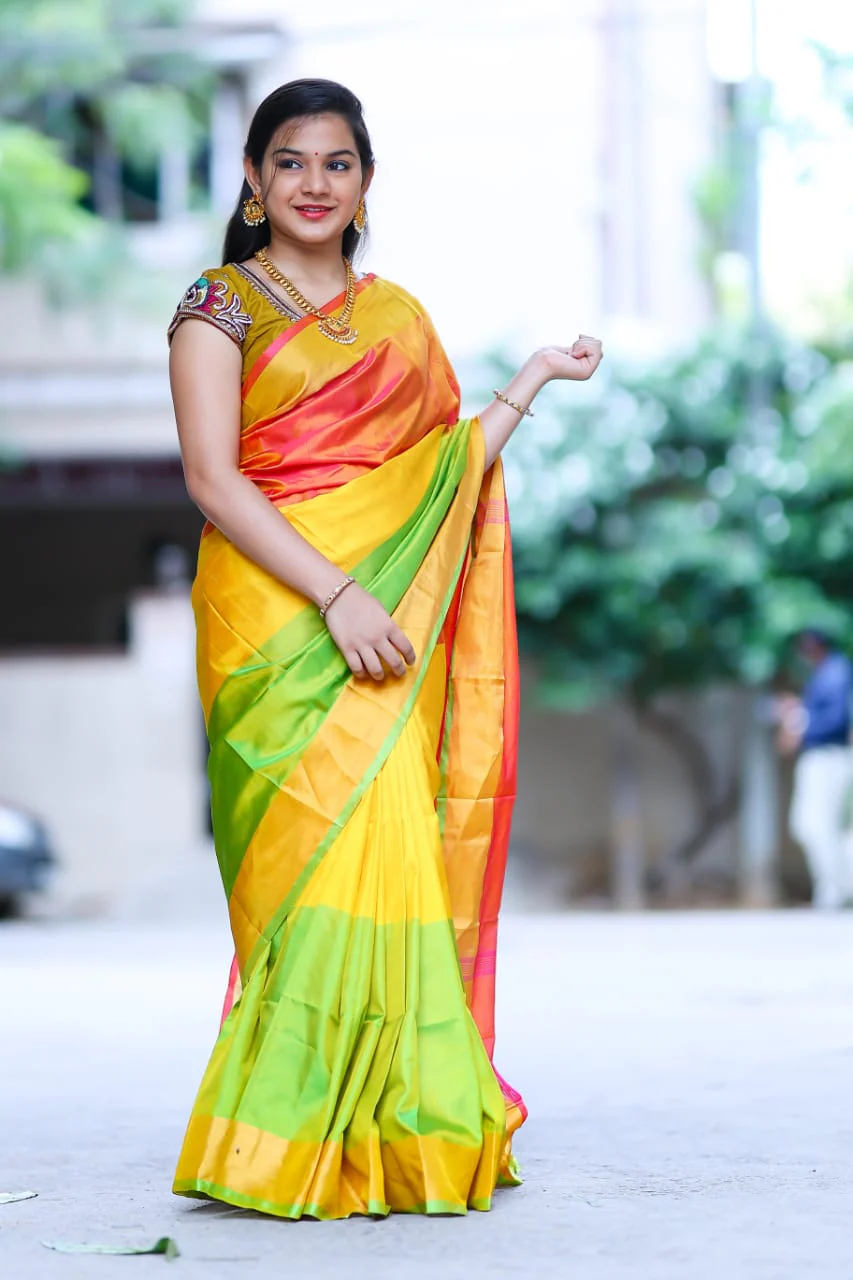
Inspired by traditional cloth motifs cotton sarees with tribal borders and cultural narratives.
North & Himalayan India Sarees
Uttar Pradesh – Banarasi Saree
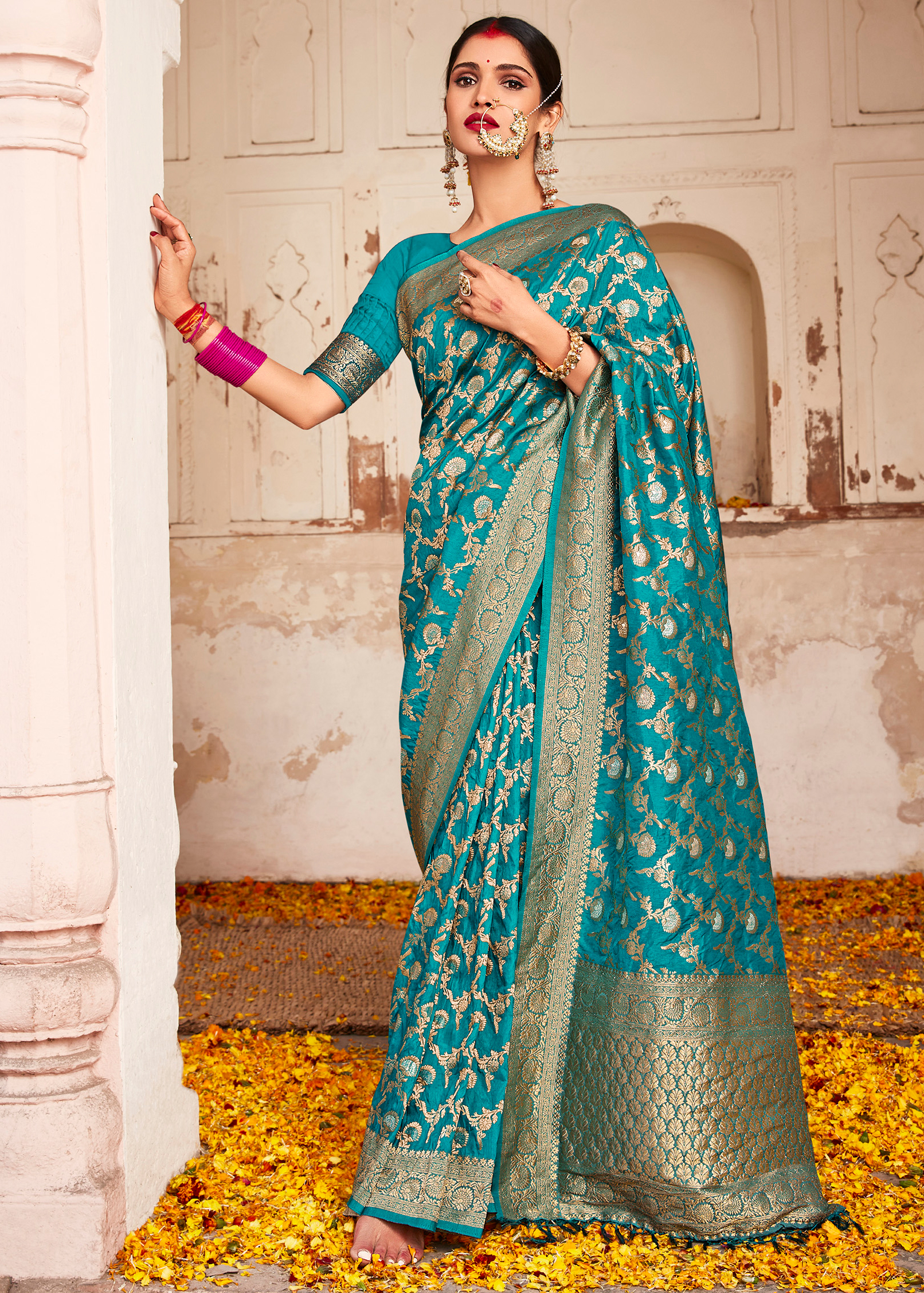
Famous for rich zari and intricate motifs a top pick for weddings and grand occasions.
Uttarakhand – Ringaal Craft–Inspired Saree
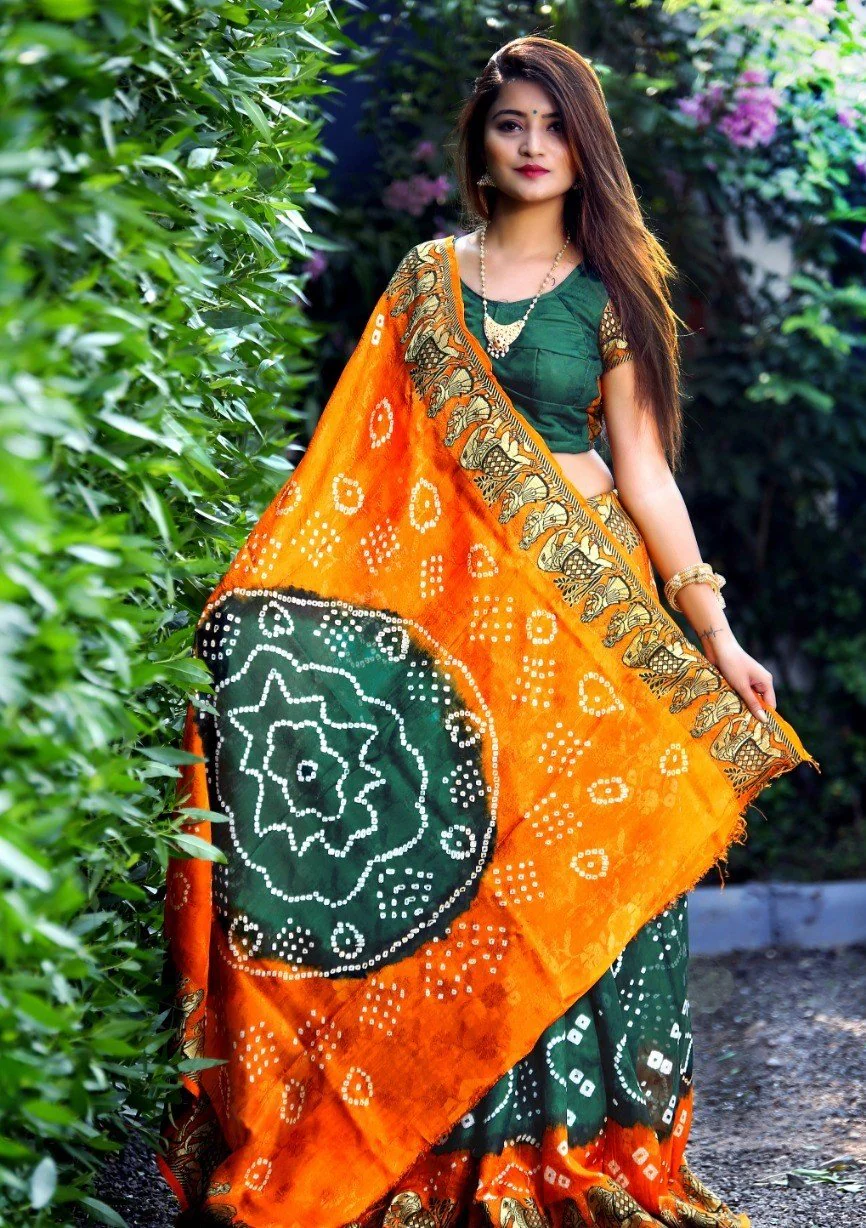
Earthy tones and linear motifs inspired by local craft traditions simple, cultural, and elegant.
Himachal Pradesh – Chamba Rumal–Inspired Saree
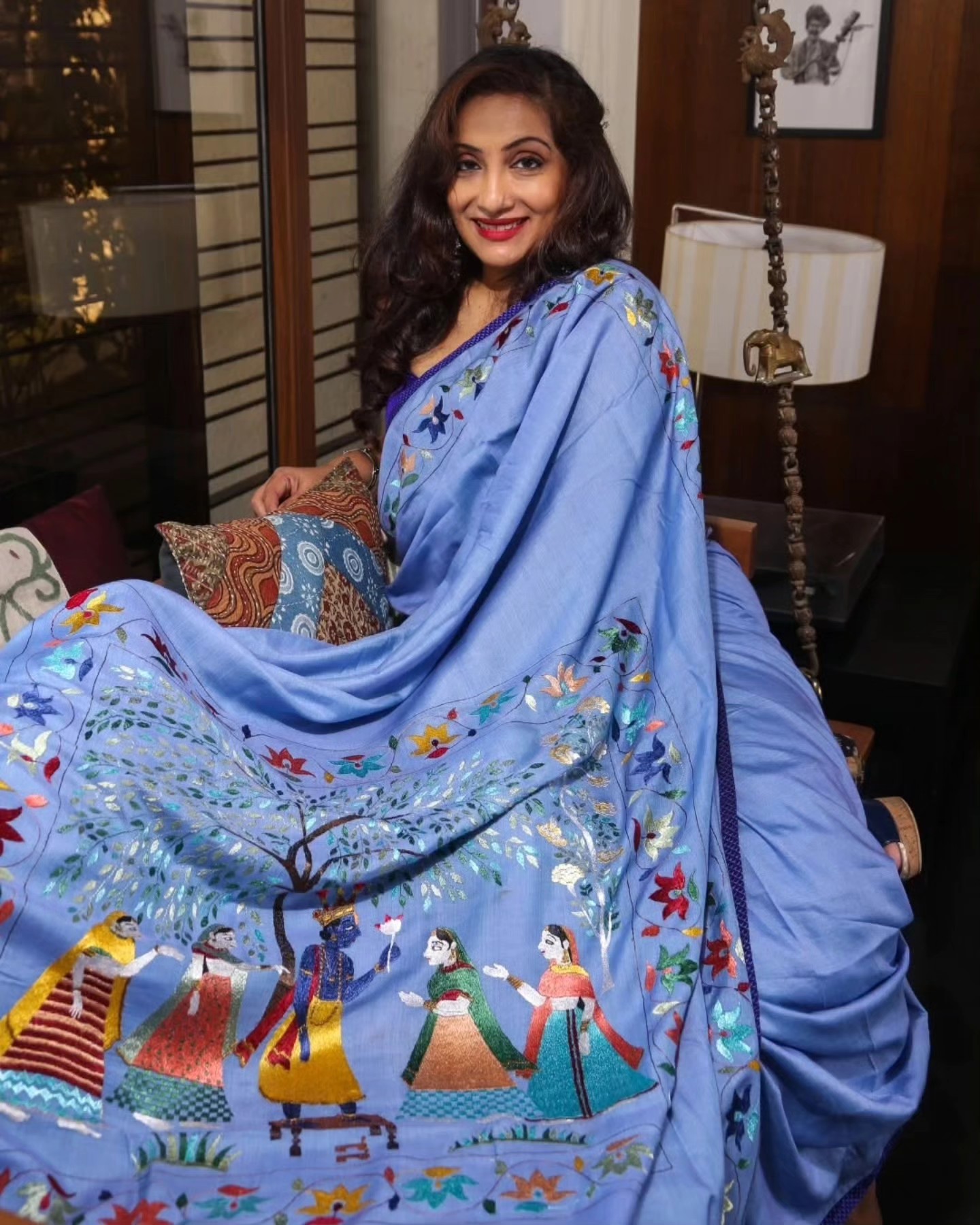
Inspired by the Chamba Rumal embroidery tradition; detailed storytelling-style needlework influence.
Fabric-Based Sarees You’ll See Across Many States
Some sarees are popular pan-India because of fabric and drape comfort Bandhani, Georgette, Chiffon, and more. For example, Bandhani is created by tying small knots before dyeing for distinctive patterns, while chiffon/georgette are loved for their lightweight flow.
Saree care tips (so the weave stays fresh)
-
Light fabrics (like chiffon/georgette): store away from direct sunlight; prefer gentle wash or dry clean to avoid damage.
-
Zari/heritage weaves: dry clean, fold with soft cloth, and store in a breathable cover to protect motifs and borders. (General best practice; always follow seller label.)
Conclusion
India’s saree heritage is as diverse as its culture each state brings its own signature weave, fabric, motifs, and draping style. From the royal richness of Banarasi and Kanjeevaram to the lightweight elegance of Chanderi and Kasavu, every saree tells a story of tradition and craftsmanship. Whether you’re shopping for a wedding, festive function, or daily wear, choosing a state-wise saree helps you pick the right look, comfort, and authenticity. Explore, experiment with drapes, and build a saree collection that celebrates India’s timeless textile art.
FAQs
Q1. India Me Sabse Popular Saree Kaunsi Hai?
A1. Banarasi, Kanjeevaram (Kanchipuram), Paithani, Sambalpuri, Patola sabse zyada popular aur commonly worn sarees me aati hain especially weddings aur festivals me.
Q2. Wedding Ke Liye Best Saree Kaunsi Hoti Hai?
A2. Banarasi, Kanjeevaram, Paithani, Patola, Baluchari wedding/reception ke liye best options hain, kyunki inme rich weaving aur zari work hota hai.
Q3. Summer Me Kaunsi Saree Comfortable Hoti Hai?
A3. Summer ke liye Chanderi, Cotton sarees, Ilkal, Kasavu, Lightweight Uppada best rehti hain—ye breathable aur easy-to-carry hoti hain.
Q4. Office Ya Daily Wear Ke Liye Kaunsi Saree Sahi Rahegi?
A4. Cotton sarees, Chanderi, Bhagalpuri Tussar (light), simple handloom sarees office aur daily wear ke liye elegant aur comfortable rehti hain.
Q5. Handloom Saree Kaise Pehchane?
Handloom sarees me:
- weave thoda natural/uneven texture hota hai
- zari/threads ka finish authentic feel deta hai
- generally softer fall aur rich handcrafted look hota hai
Q6. Banarasi Aur Kanjeevaram Me Kya Difference Hai?
- Banarasi: intricate zari motifs, brocade style, North India (Varanasi)
- Kanjeevaram: heavier silk, temple borders, contrast pallu, South India (Tamil Nadu)
Q7. Saree ki Care Kaise Kare?
- Silk/Zari saree: dry clean best
- Folding me muslin/cotton cloth use karein
- Direct sunlight aur moisture se door rakhein
- Heavy sarees ko fold change karte rahein taaki creases na bane
Q8. Beginner Ke Liye Kaunsi Saree Easy Hoti Hai?
A8. Beginners ke liye Chiffon, Georgette, Light Cotton, Soft Silk blends easy hoti hain kyunki pleats aur drape manageable rehta hai.
